
For anyone familiar with Hong Kong photography, Fan Ho needs little introduction. His photographs of the city in the 1950s and 1960s are among the most iconic images ever made, recognised for their timing, compositions and poetic treatment of light and shadow. Yet, despite his reputation in Hong Kong, he has not always received the same level of international recognition as some of his Western contemporaries.
That picture is beginning to change. Ten years after his passing, exhibitions across Europe and Asia are bringing renewed attention to his work, placing it in conversation with other major figures in photography and exploring the wider context in which it was made. From a major presentation in Turin to his inclusion in a new exhibition at Tate Modern, and a rare opportunity to see his work alongside his contemporaries in Shanghai, there is growing recognition of the breadth of his contribution. At the same time, Blue Lotus Gallery presents Hong Kong Symphony, accompanied by a new publication from Blue Lotus Editions.
A Distinctive Voice
Born in Shanghai in 1931, Fan Ho moved with his family to Hong Kong in 1949. He began photographing the city with a Rolleiflex twin-lens reflex camera and became an active member of local camera clubs and photographic societies. Over his career, he received more than 200 awards and titles in Hong Kong and abroad.
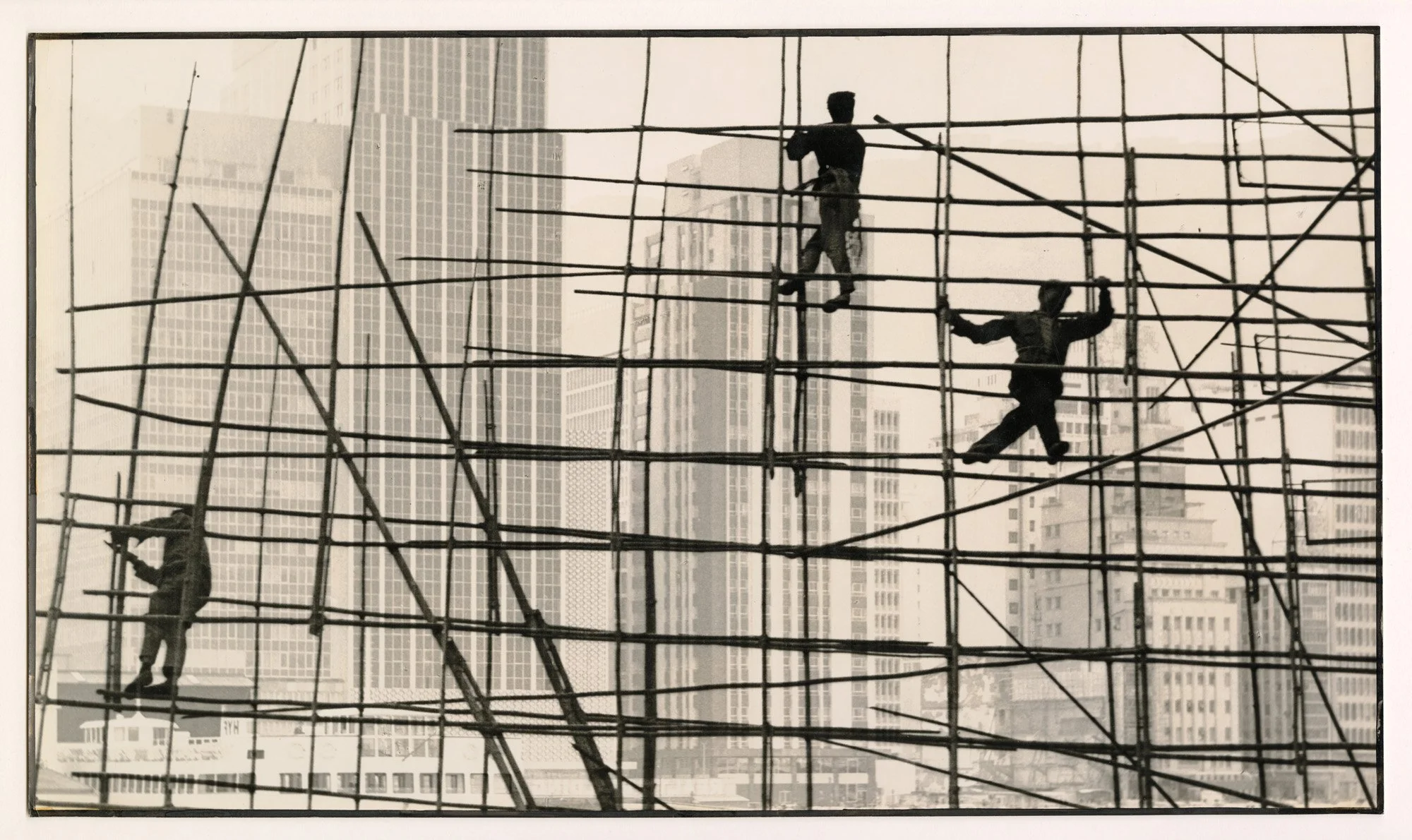
His photographs of post-war Hong Kong capture the movement and atmosphere of everyday life, from streets and markets to rooftops, harbour fronts and narrow alleyways. He had a remarkable instinct for timing, often waiting for a figure to enter a carefully composed arrangement of light, architecture and shadow.
For Fan Ho, the creative process continued long after the photograph was taken. He placed great importance on darkroom printing, which he described as 'second time composition'. Through cropping, dodging and burning, he refined the balance of light and shadow, treating the final print as an essential part of the image.
In Approaching Shadow, for example, a woman approaches a sunlit wall, her silhouette appearing alongside a second shadow. The image plays with ideas of presence and absence, and the fleeting nature of youth and beauty. Symbolism also appears in On the Stage of Life, inspired by Shakespeare's Macbeth and its line, 'Life's but a walking shadow'.
Cinema was another important influence. Alongside photography, Fan Ho worked as an actor, director and screenwriter, and many of his images have the atmosphere of film stills, with carefully arranged figures, dramatic lighting and a strong sense of staging. Works such as Inferno and Private demonstrate his interest in the emotional possibilities of a constructed scene.
In later years, he experimented with composite photography, combining multiple negatives from his archive to layer figures, architecture and atmosphere. These dreamlike images offered a different way of revisiting Hong Kong, bringing memory and imagination into his photographic practice.
A Wider Recognition
The renewed interest in Fan Ho's work is reflected in a series of exhibitions taking place across Europe and Asia.
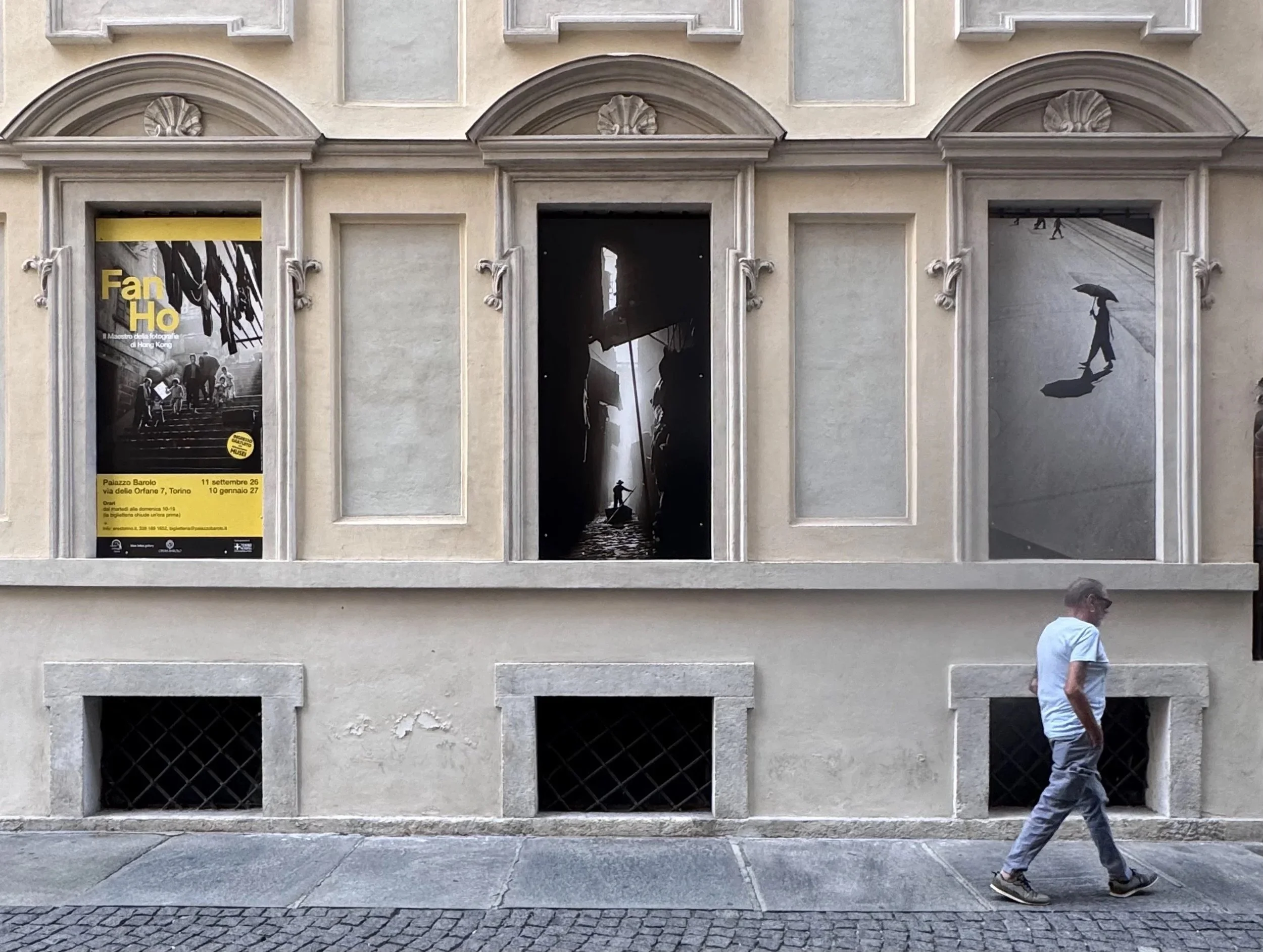
In Turin, Fan Ho, Il Maestro della Fotografia di Hong Kong, at Palazzo Falletti di Barolo brings together around 100 photographs, offering an extensive view of his work and his portrayal of Hong Kong. Running from 11 September 2026 to 10 January 2027, the exhibition is among the major European presentations of his photography.
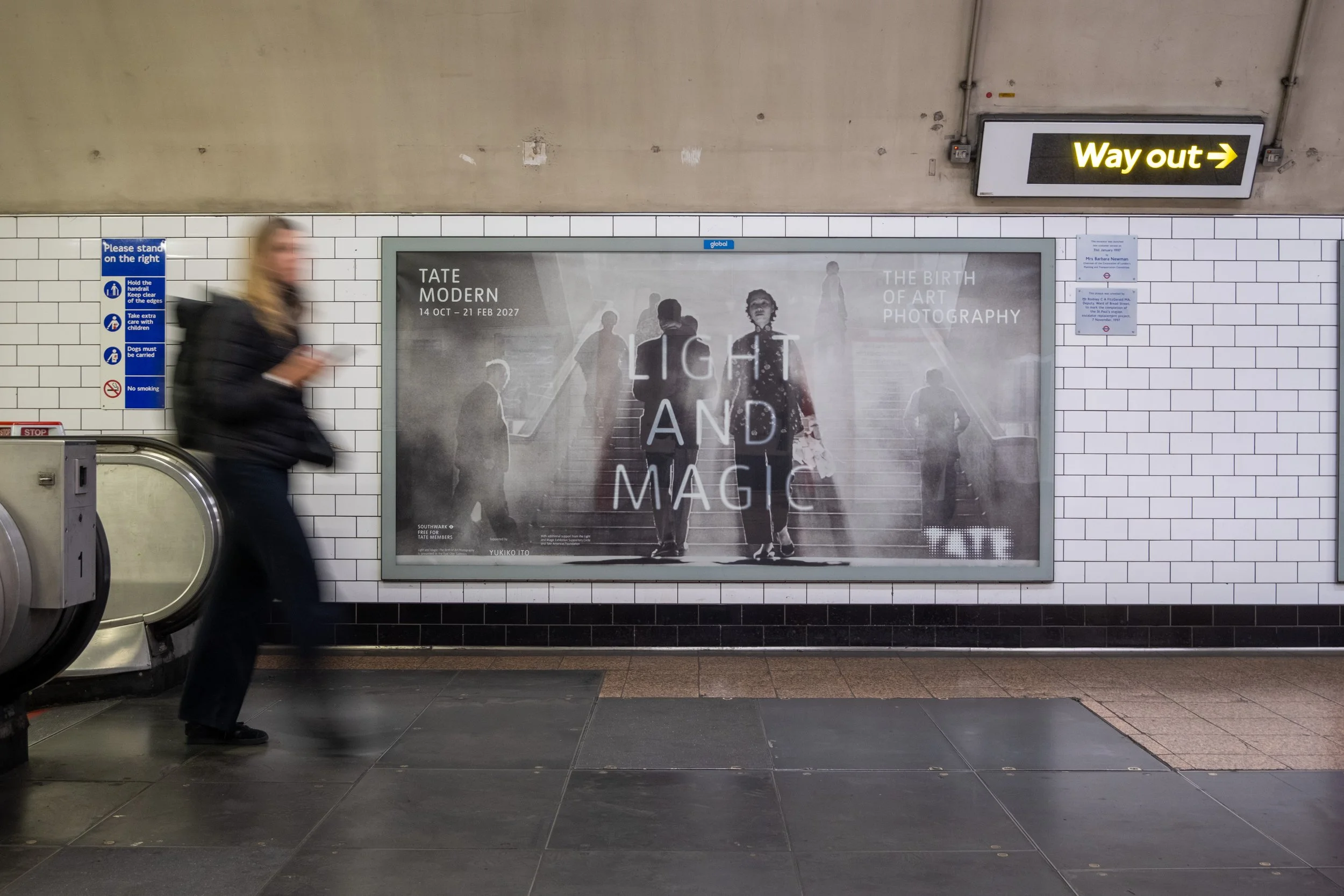
In London, Fan Ho is included in Light and Magic: The Birth of Art Photography at Tate Modern, an exhibition exploring the development of art photography through more than 200 prints by over 80 artists. His photograph Smoky World (1959) has been selected for the exhibition poster and catalogue cover, bringing one of his best-known images into a wider conversation about the history of the medium. The exhibition runs from 14 October 2026 to 21 February 2027.
Meanwhile, Hong Kong Reframed: Fan Ho and the Salon Generation, now open at Fotografiska Shanghai, places his work in the wider context of Hong Kong's salon photography movement. By the 1950s and 1960s, the city had developed a thriving photographic scene, supported by a network of camera clubs, competitions and publications. The exhibition brings together a remarkable collection of vintage prints by photographers from this generation, many rarely seen today. Seen alongside Fan Ho's work, they offer a chance to look beyond the familiar images and discover the wider photographic culture that surrounded him.
Hong Kong Symphony
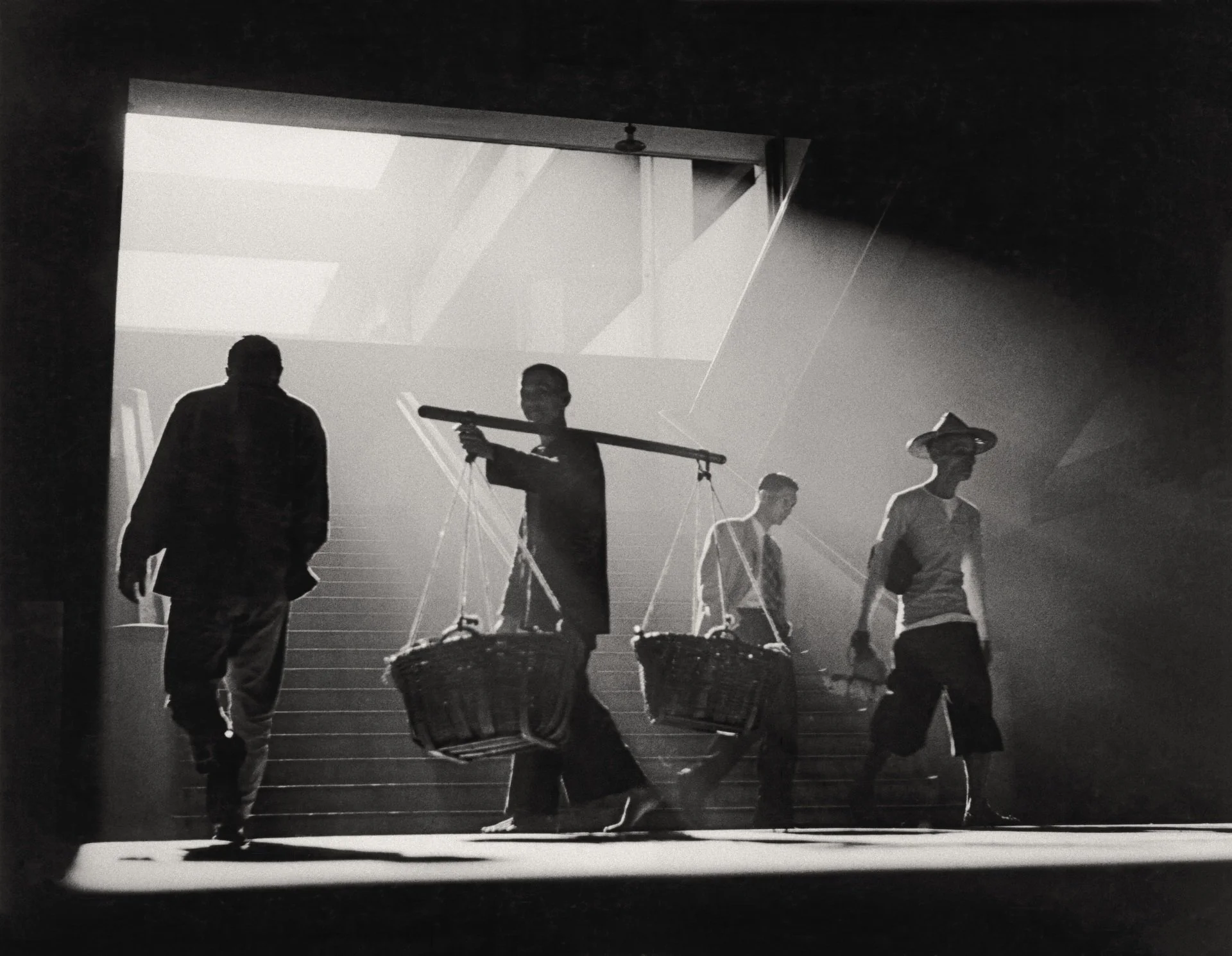
At Blue Lotus Gallery in Hong Kong, Fan Ho – Hong Kong Symphony returns to the photographs that first established his reputation, placing them alongside selected vintage works by other photographers of his generation. The exhibition explores his relationship with the city and the particular way he observed its streets, people and changing urban landscape.
Opening alongside the exhibition is Hong Kong Symphony, a new publication from Blue Lotus Editions featuring more than 100 photographs by Fan Ho, with an essay by Sarah Van Ingelgom. The book explores the musical quality of his photography, from the rhythm and movement of the streets to the interplay of light, shadow and human presence. It offers a new perspective on a body of work that continues to resonate with photographers and audiences around the world.
Together, these exhibitions and the new publication invite a broader consideration of Fan Ho's place in photographic history. His images remain closely associated with Hong Kong, but their appeal reaches far beyond the city itself. Through his particular understanding of composition, light and the human figure, he created photographs that continue to reward attention, revealing something new with each viewing.
Hong Kong Symphony: the Photobook is available here.
The exhibition is on view at Blue Lotus, 28 Pound Ln, Sheung Wan, Hong Kong until 28 March 2027.
Opening Hours. Tuesday - Sunday, 11am to 6pm.