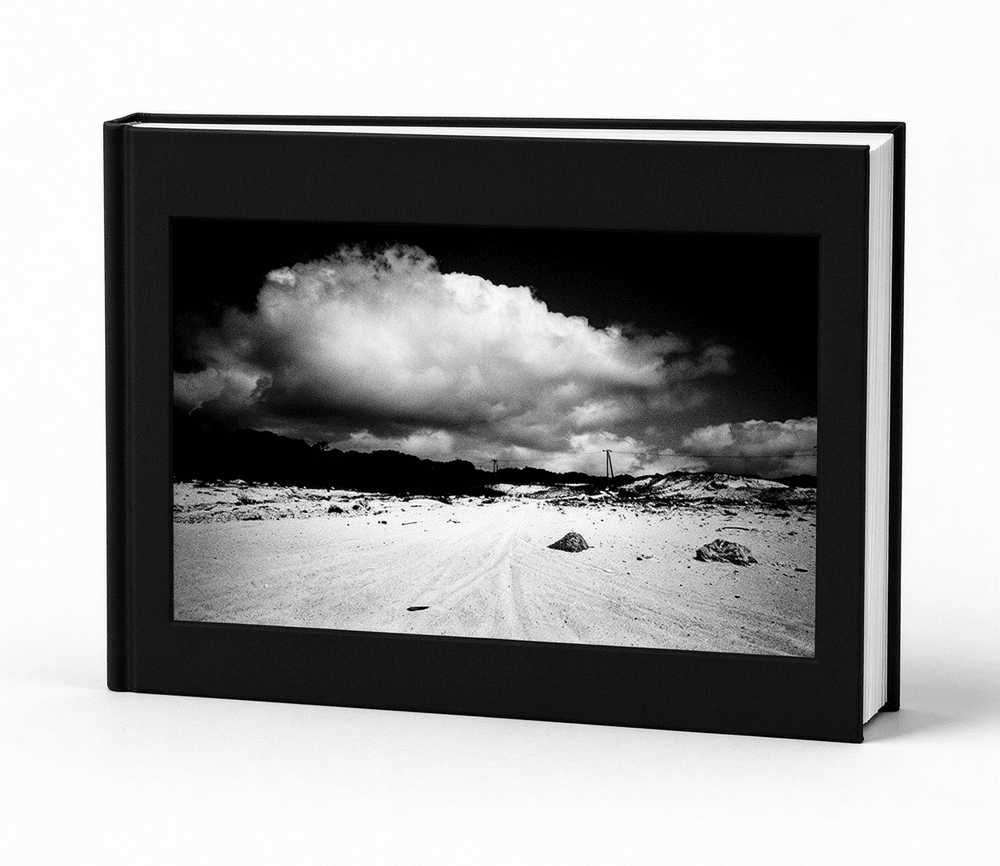
Yasuhiro Ogawa has spent more than twenty years photographing Japan’s remote islands, a long-term project culminating in his new book, where the landscape becomes a place of memory, absence, and gradual change.
Japan is an archipelago of more than 14,000 islands, yet only around 300 are inhabited. Many of these remote communities are growing older, their populations dwindling as younger generations leave for the mainland. On some islands, children have all but disappeared. Houses and roads remain, but the lives that once filled them are becoming harder to find.
It is this changing world that Japanese photographer Yasuhiro Ogawa has spent more than twenty years exploring. First visiting the islands in 2007, he returned over the following years, often travelling without a fixed plan or knowing where the photographs might lead. “I didn't know how long it would take,” he recalls. “I enjoyed going to islands I'd never been to before.” That gradual process has now culminated in Tales of the Islands, a new book that brings together photographs made across two decades.
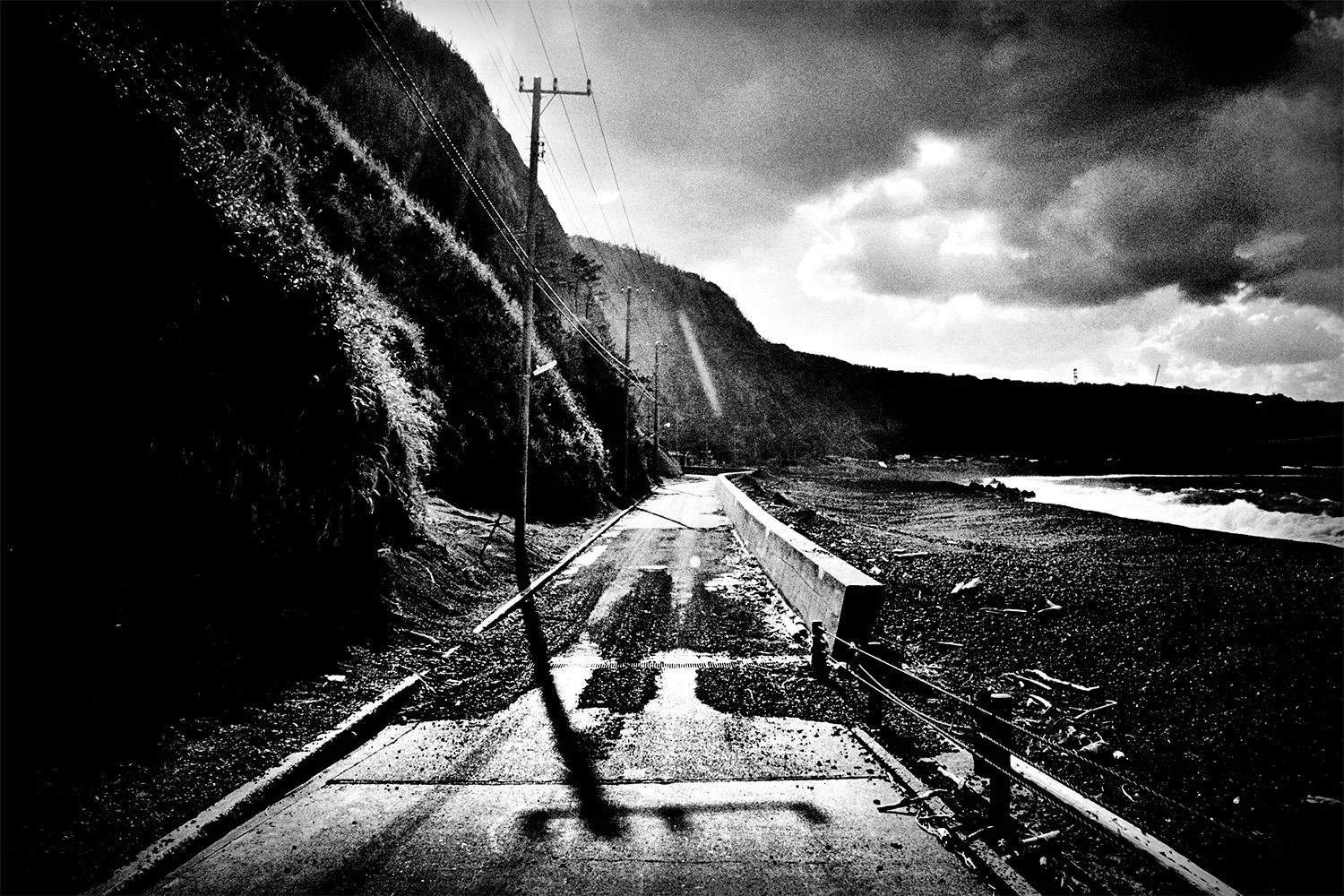
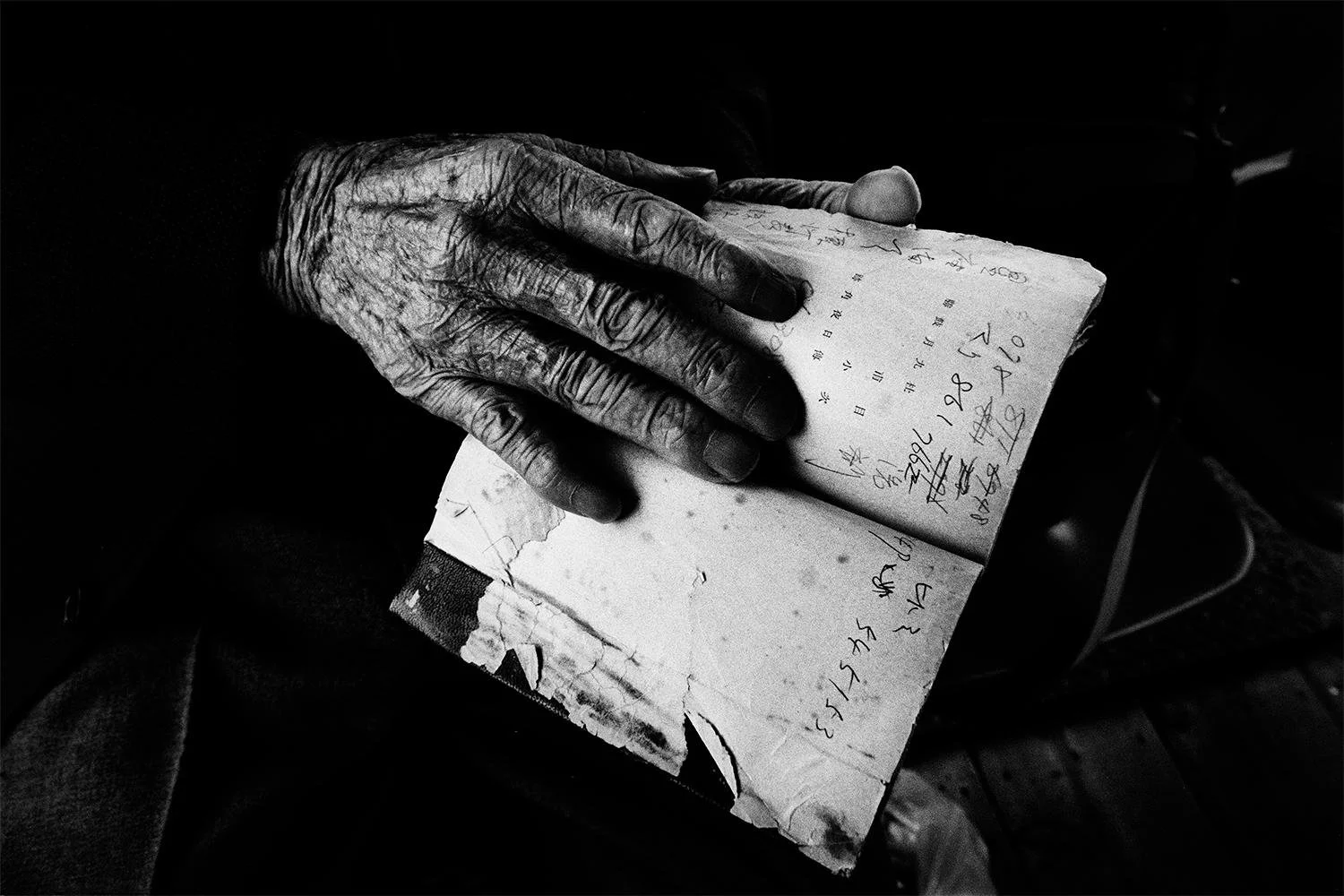
His images are filled with an unusual stillness. Empty roads, windswept coastlines and darkened interiors sit alongside fleeting traces of human presence. Shot in stark black and white, they move between the familiar and the uncanny, where a landscape can feel at once deeply observed and strangely removed from the world we know.
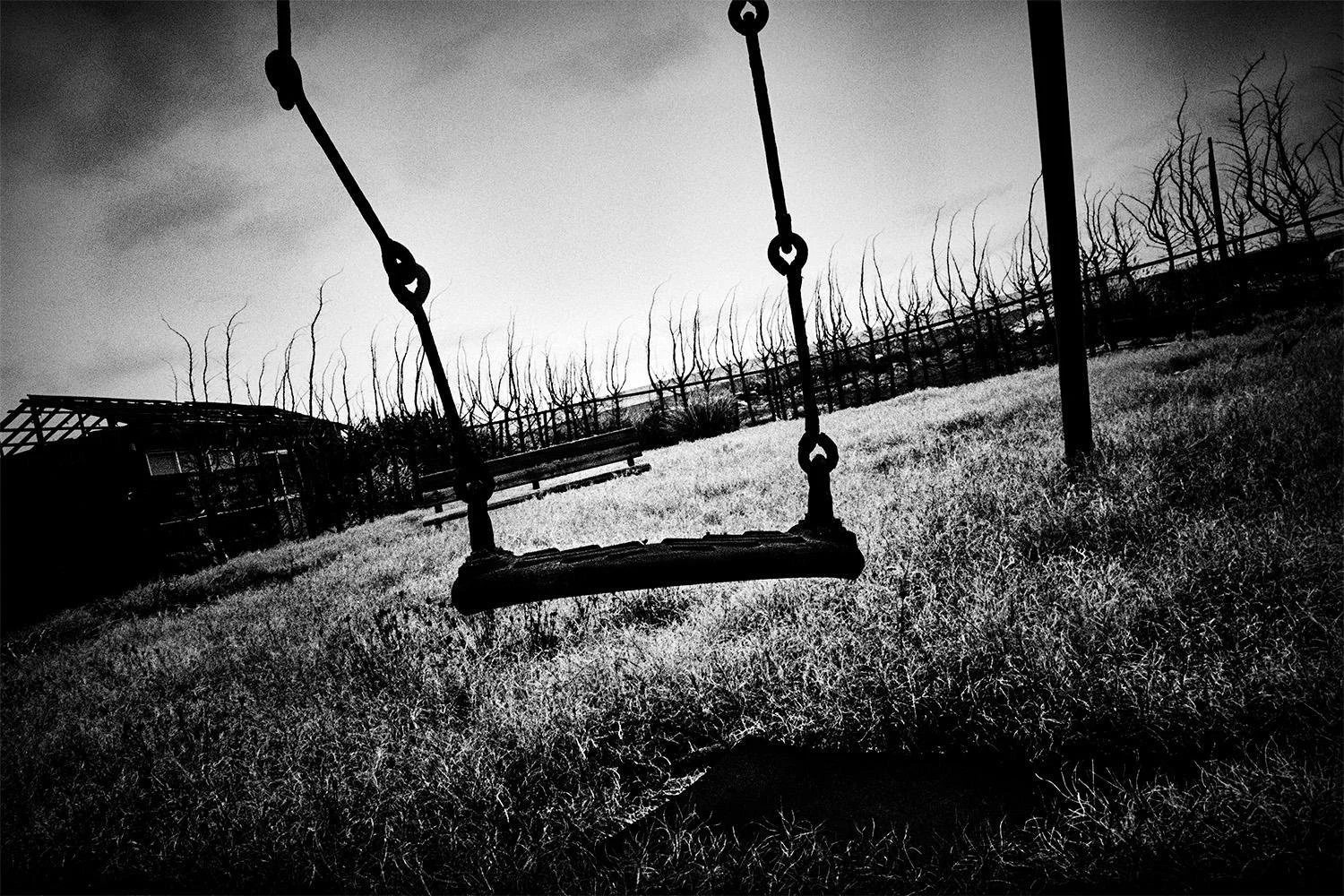
There is little sense of a conventional travelogue in Tales of the Islands. Ogawa moves between fragments of landscape and everyday life, drawing attention to details that might otherwise go unnoticed. A stretch of sea, a figure glimpsed through a window, the texture of a weathered surface. Deep shadows and bright, often clipped highlights give the photographs a tactile quality, while grain and unusual framing lend them an almost dreamlike atmosphere. The sequence unfolds less as a geographical account than as a collection of impressions, places and moments held together by memory.
The project first came together in Shimagatari, published in 2014. After the book sold out, Ogawa began thinking about revisiting the work, though he was never entirely satisfied with the original publication. “I wanted to change the design, the sequence, the format, everything,” he explains. Since then, he has continued returning to the islands, adding 24 new photographs to the expanded edition. The result is not simply a reissue, but a chance to look again at a body of work that has evolved alongside its subject.
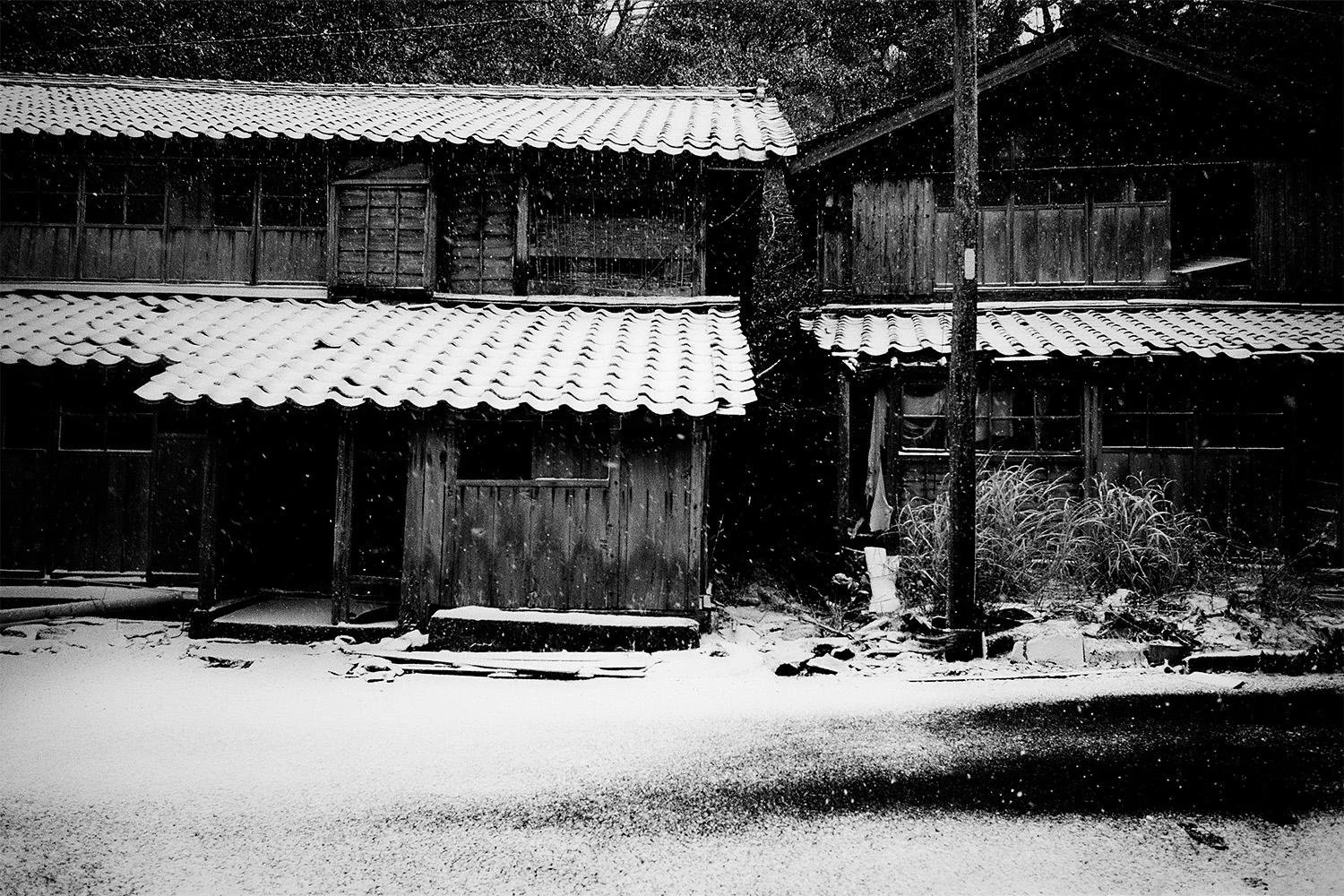
The book's atmosphere is shaped by a sense of something just beyond reach. In his afterword, Ogawa describes sitting alone on a deserted beach, watching the changing light and the movement of the sea. As he does, he becomes aware of an indistinct presence behind him, unseen but seemingly watching. It is an unsettling passage, and one that speaks to the strange intimacy he finds in these places. The islands are not simply subjects to be observed. They carry histories and memories that are difficult to grasp, even for someone who has returned to them repeatedly.
Over time, however, it is Ogawa's own understanding of the islands that has changed most. When he first began photographing them, the effects of depopulation were difficult to ignore. He remembers seeing mostly elderly people on the smaller islands, with very few children, and finding the experience deeply sad. “At first, I didn't like to see those sad situations, sad landscapes,” he explains.
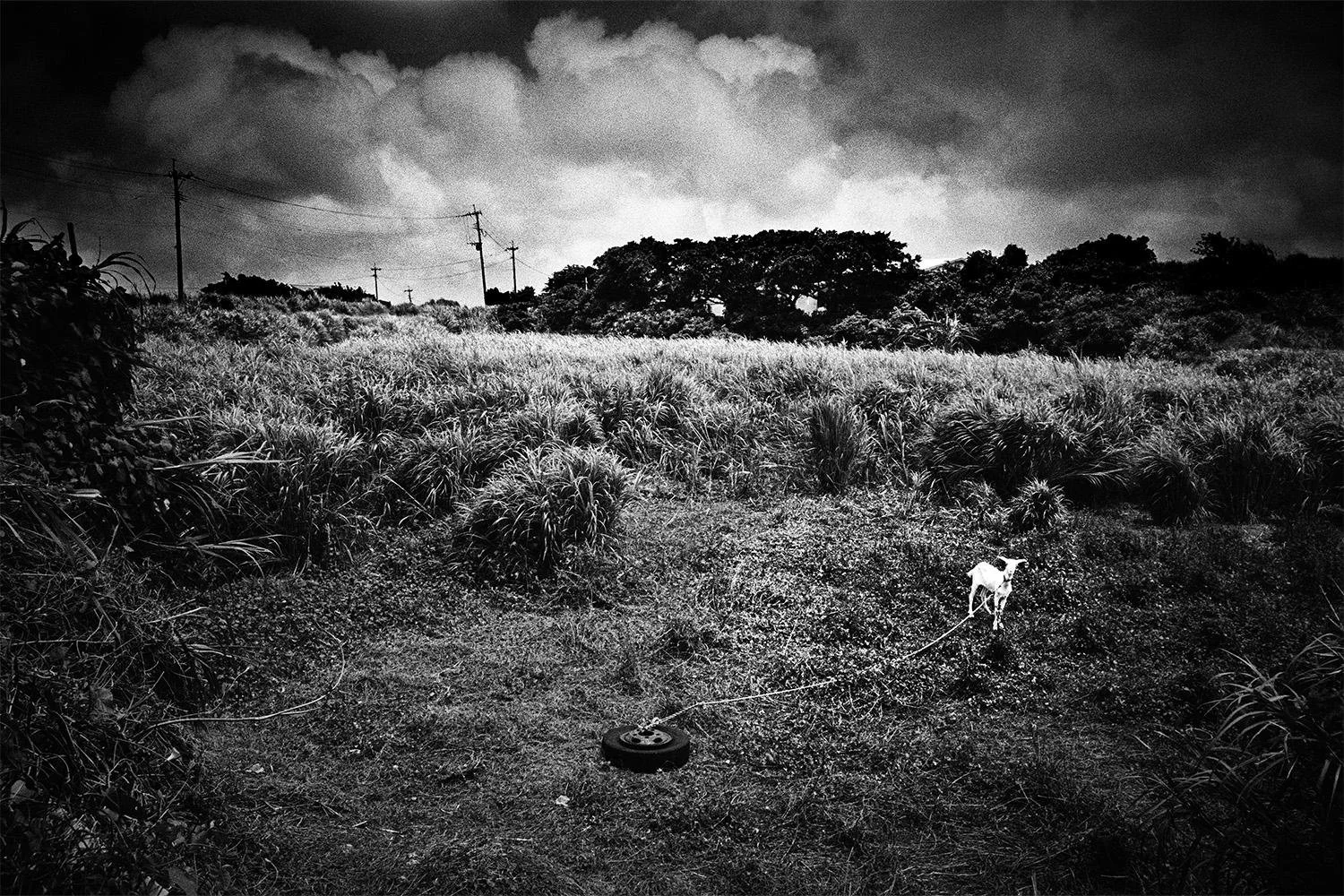
But repeated visits gradually altered his perspective. The decline of these communities remains a source of sadness, yet Ogawa began to see the changes in a different light. “Depopulation itself is a very sad thing, but on the other hand, I can say that now those islands are returning to nature.”
It is a striking thought, particularly in a country where the relationship between people and the natural environment has been shaped over generations. Ogawa reflects on how these islands were once uninhabited, before people arrived and built their lives there. Now, as those communities diminish, the landscape is slowly reclaiming its space. The photographs begin to take on another meaning in this context. What might initially appear as images of abandonment also become records of a much longer cycle of human settlement and natural change.
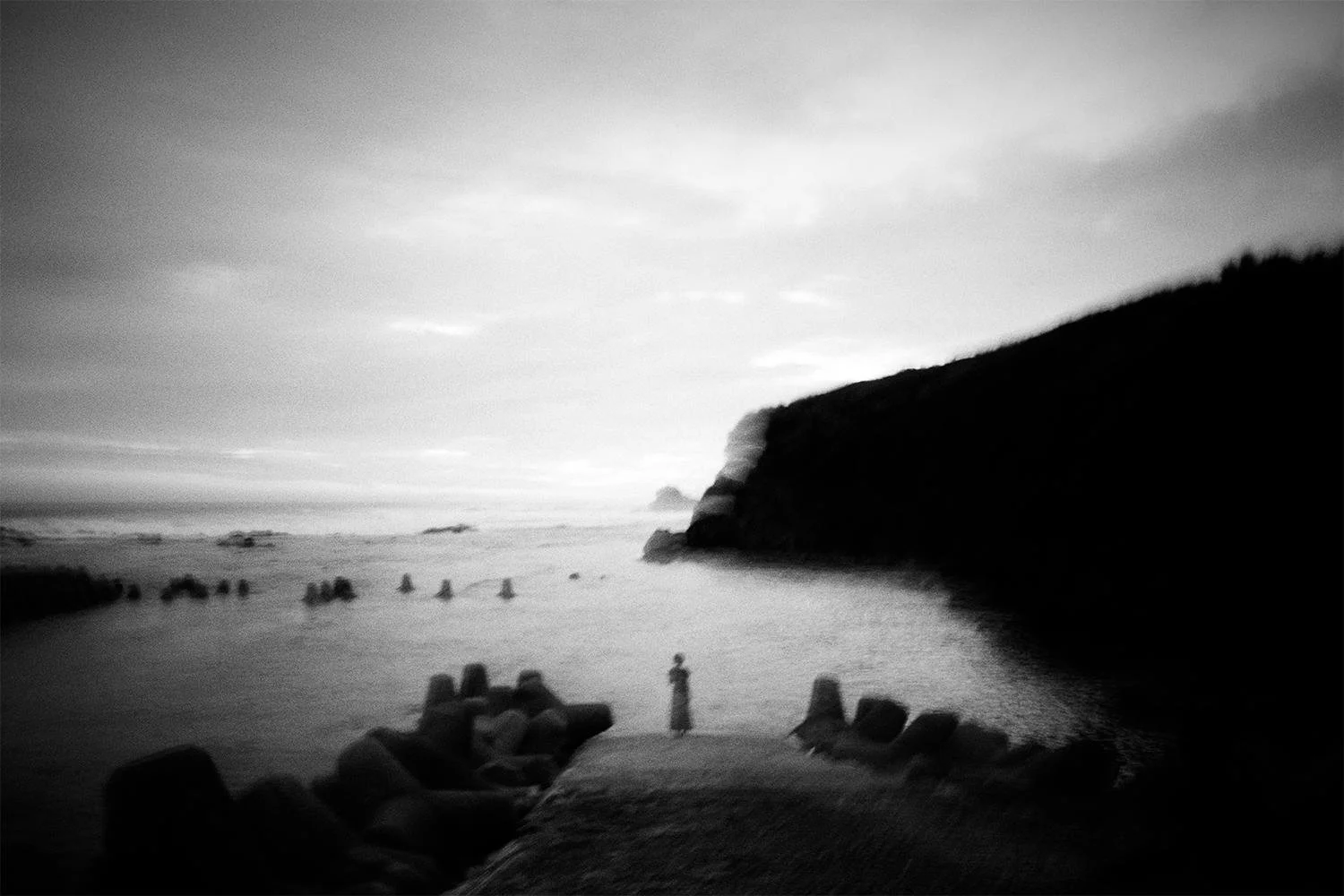
For Ogawa, this shift is visible in the photographs themselves. “I can see the changing for myself when I see the pictures,” he says. It is perhaps less apparent to someone encountering the work for the first time, but the years between the images carry their own significance. The islands have changed, and so has the photographer's relationship with them.
In Tales of the Islands, this passage of time is rarely stated outright. Instead, it lingers in the spaces between images, in the absence of people and in the quiet details that remain. Ogawa's photographs hold onto something that is gradually disappearing, while also recognising that the landscape has a life beyond human presence. The result is a deeply personal portrait of a changing Japan, shaped as much by what is no longer there as by what remains.