
The Mystery of Time: Koji Onaka
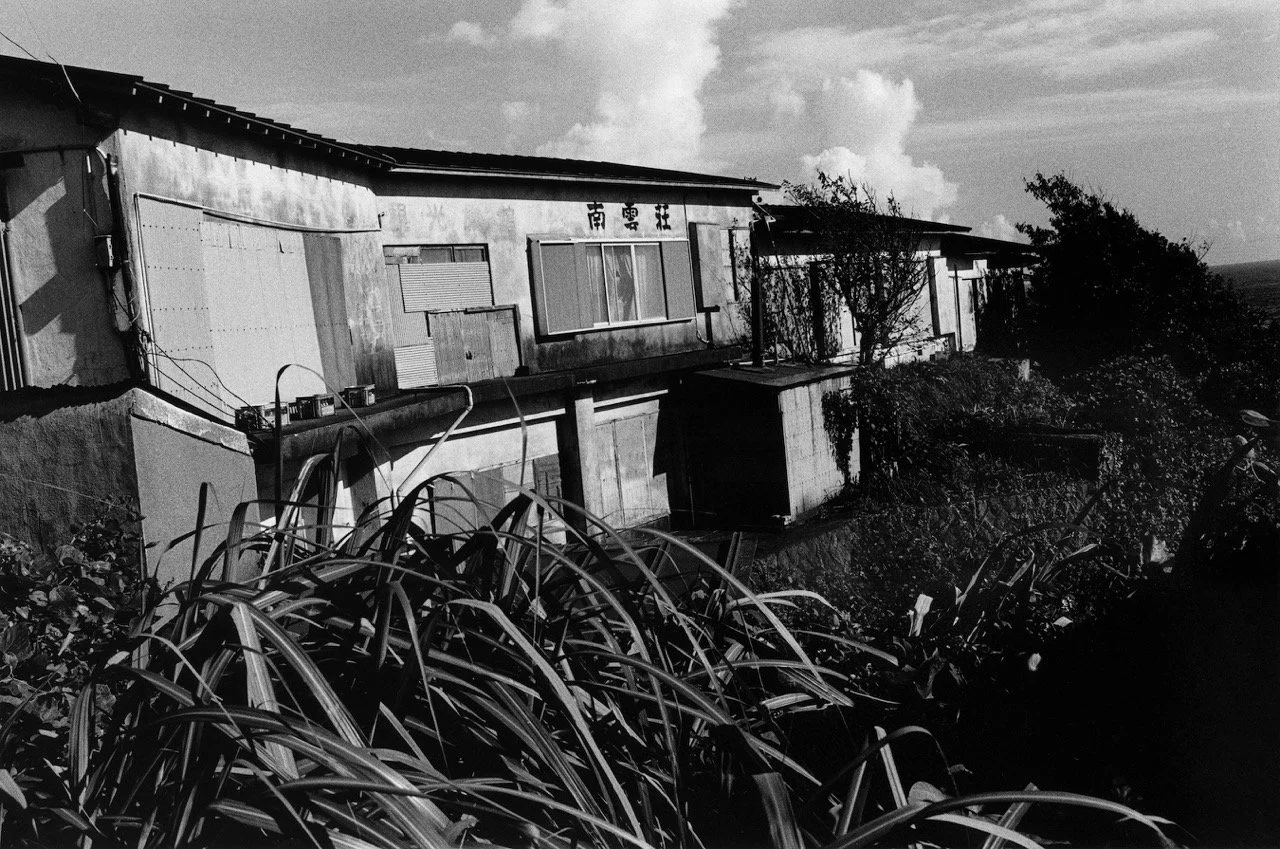
Wakayama, Shionomisaki, 1991
In the 1980s, the narrow, crowded alleyways of Shinjuku’s Golden Gai were the boisterous gathering place for some of Japan's most influential photographers. Within its tiny bars, a young Koji Onaka sat amidst legendary names like Daido Moriyama and Nobuyoshi Araki as they chatted, laughed, and at times, argued deep into the night. It was a formative, restless era that helped shape Onaka's photographic voice. Yet, as he began to carve his own path, he moved away from the raw, confrontational angst of his mentors, turning his lens toward something more elusive: the scent of a hometown, the slant of light on a weathered tin roof, and the quiet "distance" between the present moment and a fading memory.
Now, some four decades later, Onaka, who has forged his own reputation as one of Japan's most quietly influential photographers, presents his first exhibition in Hong Kong, tracing a journey from those early days in Tokyo to the furthest reaches of the Japanese archipelago. From his early black-and-white explorations of Japan’s marginal outskirts to his more recent, soft-hued color works of rural chimneys and quiet harbors, the exhibition—and the accompanying series Distance, Tin Roof & Chimney, and Memories of Younger Days in Shinjuku—reveals a vision that is as consistent as it is poetic.
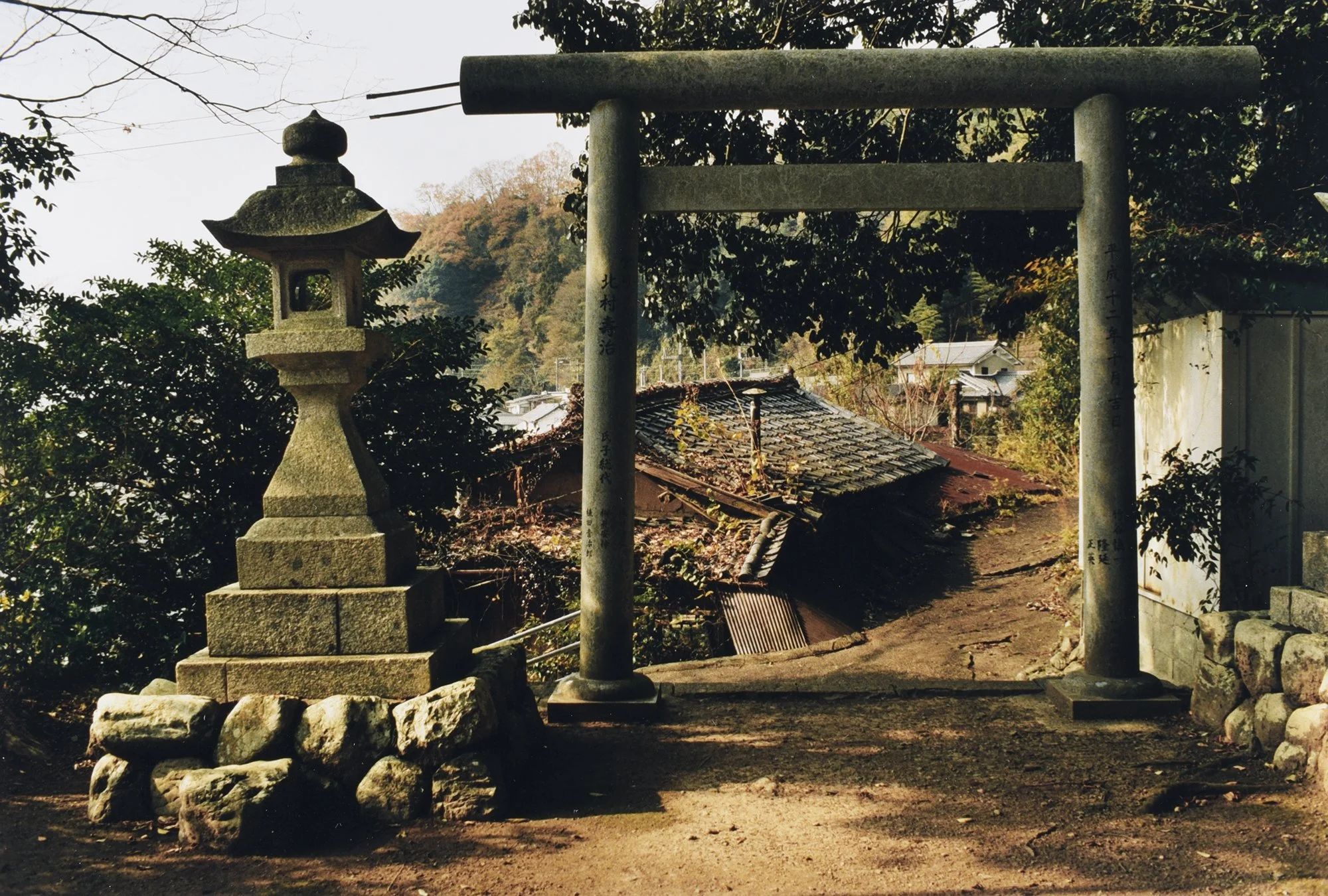
Nara, Kamiichi, 2023
Though he emerged from the "Are-Bure-Boke" (grainy, blurry, out-of-focus) tradition that defined post-war Japanese photography, Onaka’s work is marked by a unique warmth and lyrical restraint. He is a photographer of the "snapshot" in its purest form, unplanned, intuitive, and deeply personal. Whether navigating the chaotic energy of Shinjuku or the solitude of a coal-mining town in Fukuoka, his images, which he continues to hand-print in the darkroom, function as a bridge between the physical world and the internal landscape of nostalgia.
We spoke with Onaka about the philosophy behind his wandering practice, the influence of his mentors, and how his relationship with his subjects has evolved over a lifetime spent behind the lens.
The exhibition Distance brings together images made across several decades. How does it feel to see these works presented together now?
I decided to live my life as a photographer at the age of 22, and I have been shooting for over thirty years since then. Looking at photos taken more then three decades ago, alongside photos taken last year in the same space, I felt surprisingly little sense of incongruity. It made me realise that the things I like and the things I want to capture haven't changed much. Whether that is a good thing or not, I felt, once again, the fascination of continuing to shoot and the mystery of time.
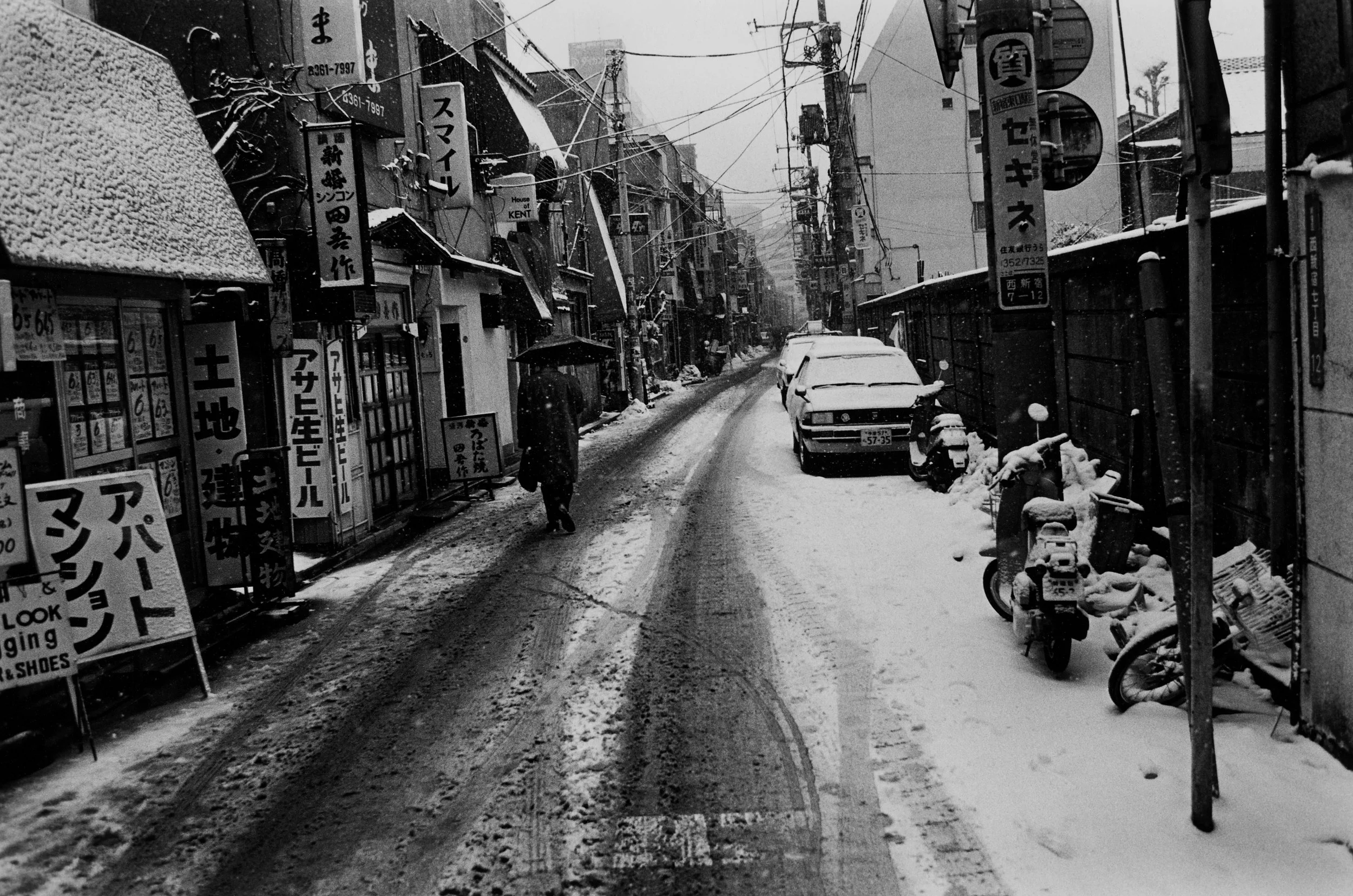
Shinjuku, 1984
Daido Moriyama was one of your peers. How did your relationship with him influence your development as a photographer? During that time, did you also have relationships with other renowned photographers such as Nobuyoshi Araki?
Daido Moriyama belongs to my parents' generation, but even when I was young and had no track record, he treated me as a fellow photographer. I used to call him "Moriyama-sensei," but one night at a bar in Shinjuku, he told me, "From now on we will associate as photographers, so stop calling me 'Sensei.’. Since then, I have called him Moriyama-san. We spent many nights drinking and talking alone in his room, but I’ve forgotten most of the content. However, he taught me how a photographer should live.
There is a Japanese proverb: "Bushi wa kuwenedo takayoji" (A samurai glories in honorable poverty/A samurai uses a toothpick even when he hasn't eaten). It means that no matter how difficult the situation, you should never do work you don't want to do. You must not bow your head to people you dislike. You must live with pride. Through Moriyama-san, I became close with photographers I admired, including those of his generation, like Nobuyoshi Araki, Masahisa Fukase, and Takuma Nakahira, as well as Miyako Ishiuchi and Keizo Kitajima. I am still in contact with some of them today.
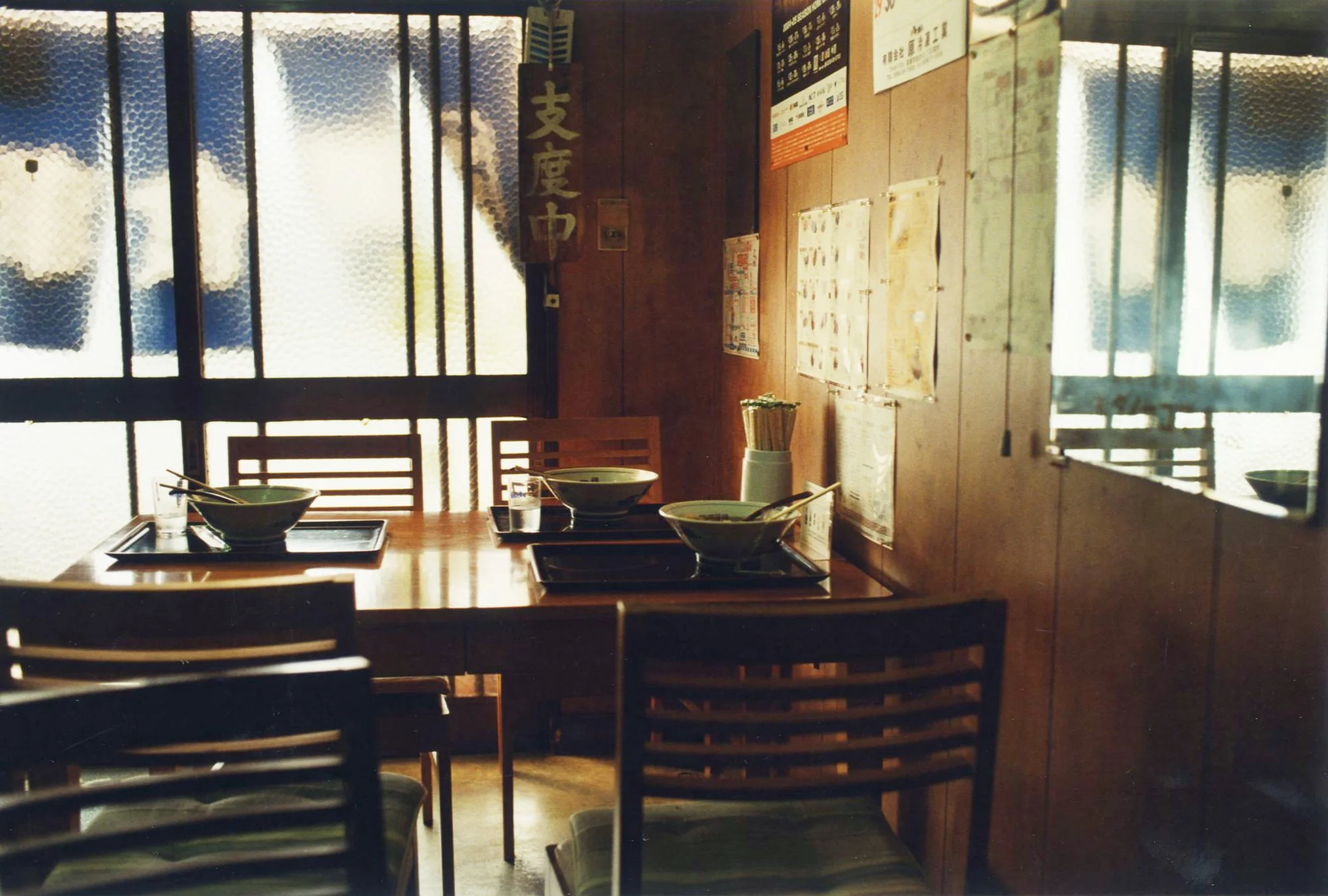
Niigata, Nagaoka, 2024
Many of your photographs focus on small towns, quiet streets, and places on the periphery. What continues to interest you about these environments?
I have longed for travel since I was a child. It wasn't about a specific destination; I just wanted to walk along the seaside or down a road at dusk in some distant town. When I was nine, I moved from my hometown in Fukuoka to Chiba, next to Tokyo, due to my father's job. Looking back since I started taking photos, I feel that no matter what town I visit, I am searching for and capturing the scent and traces of my childhood hometown. My hometown was a town that flourished through coal mining, but when the mines closed, the town became lonely.
Memories of Younger Days in Shinjuku reflects an important period in your life. How has your relationship to those images changed over time?
In the 1980s, all kinds of people gathered in Shinjuku. There were people from the nightlife industry, Yakuza, musicians, poets, and many artists. In several bars in Shinjuku Golden Gai, many photographers—including Moriyama-san—and photo magazine editors would drink every night. They didn't just talk about work; they sang, talked nonsense, and sometimes had heated arguments. Just listening to those conversations from the side was incredibly interesting, and even the times I was scolded or yelled at unreasonably are now very fond memories. After spending years living that way with those people, I felt that I could no longer return to a "normal" life.
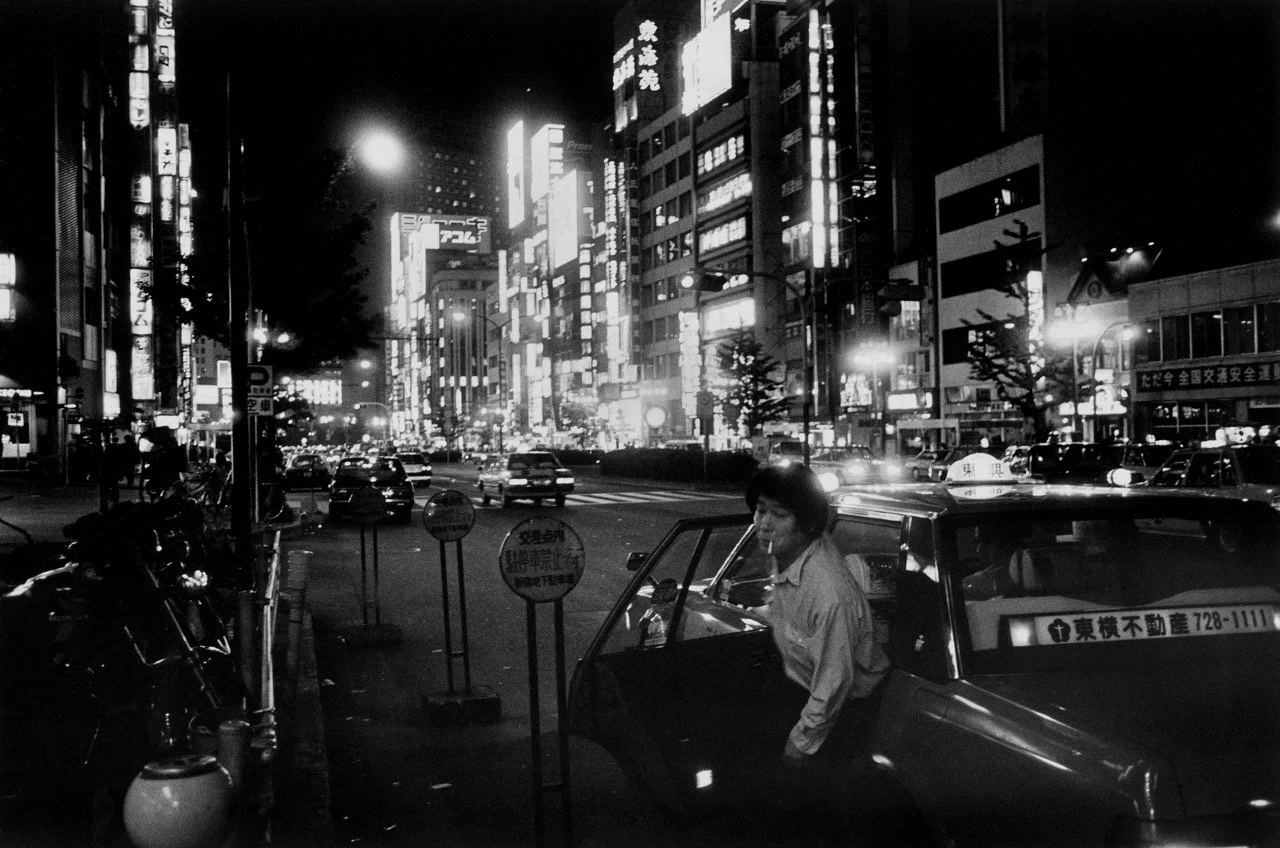
Shinjuku, 1987
You continue to hand-print your photographs in the darkroom. What does this process remain so important to your practice today?
Printing from negative film allows the creation of various print types through darkroom work. It is only natural that even with the same negative, if your interpretation differs at that moment, the print will turn out differently. It is very enjoyable to find discoveries in negatives from a long time ago that I can only see now. Color negative film fades over time, but I consider this a unique characteristic that only analog film possesses, and I enjoy creating prints with those shifted colors.
As your work is being introduced to audiences in Hong Kong, what do you hope viewers take away from the exhibition?
There is no need for difficult theories or explanations to view my photographs. Whether people have visited Japan before or not, I would be happy if they looked at them and thought, "Oh, there are places like this too, not just the tourist spots," or "I'd like to visit a place like this the next time I go to Japan."
In Japanese photography, there is a unique style that is neither strictly documentary nor "art," and there are photographers who continue to pursue it. The "Photo Gallery Kaido," which I have been involved with since 1988, is a space maintained by about ten photographers who pool their money to keep the venue going and hold exhibitions. This follows the system of "CAMP," which was started in 1976 by Daido Moriyama and his workshop students, and it is something quite unique to Japan. There, we continue to take photographs that no one has asked us to take
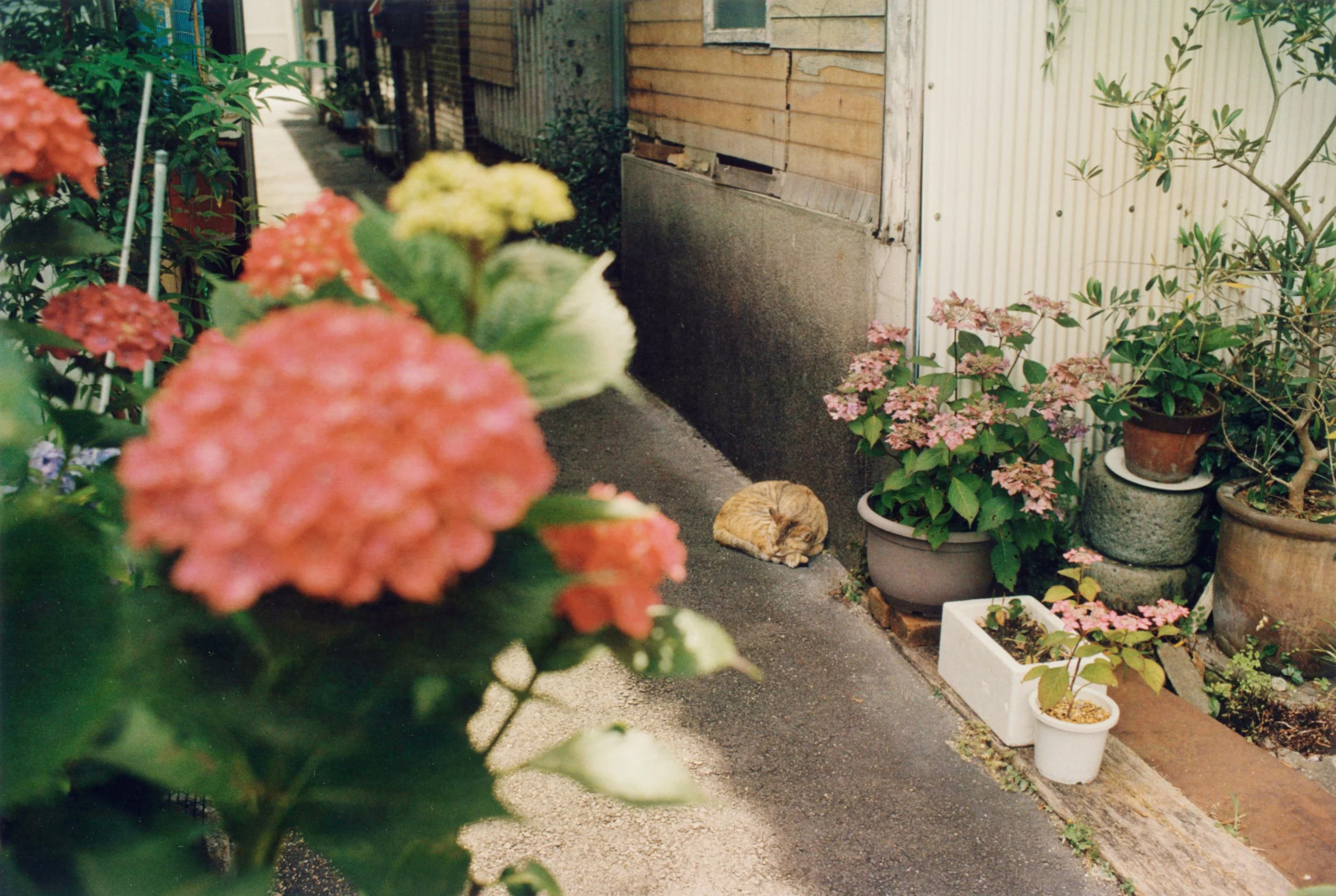
Oita, Beppu, 2024