uthor: Lahem
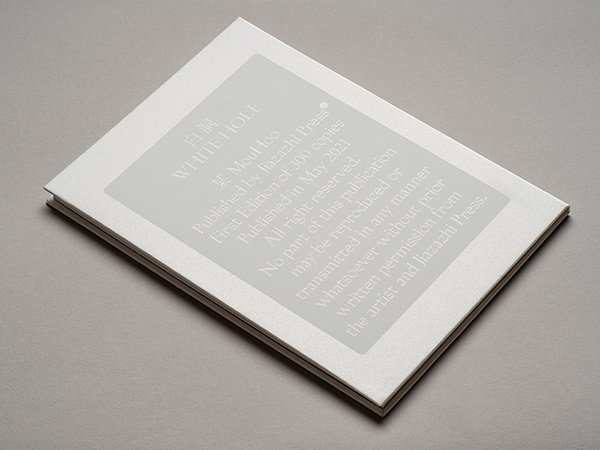
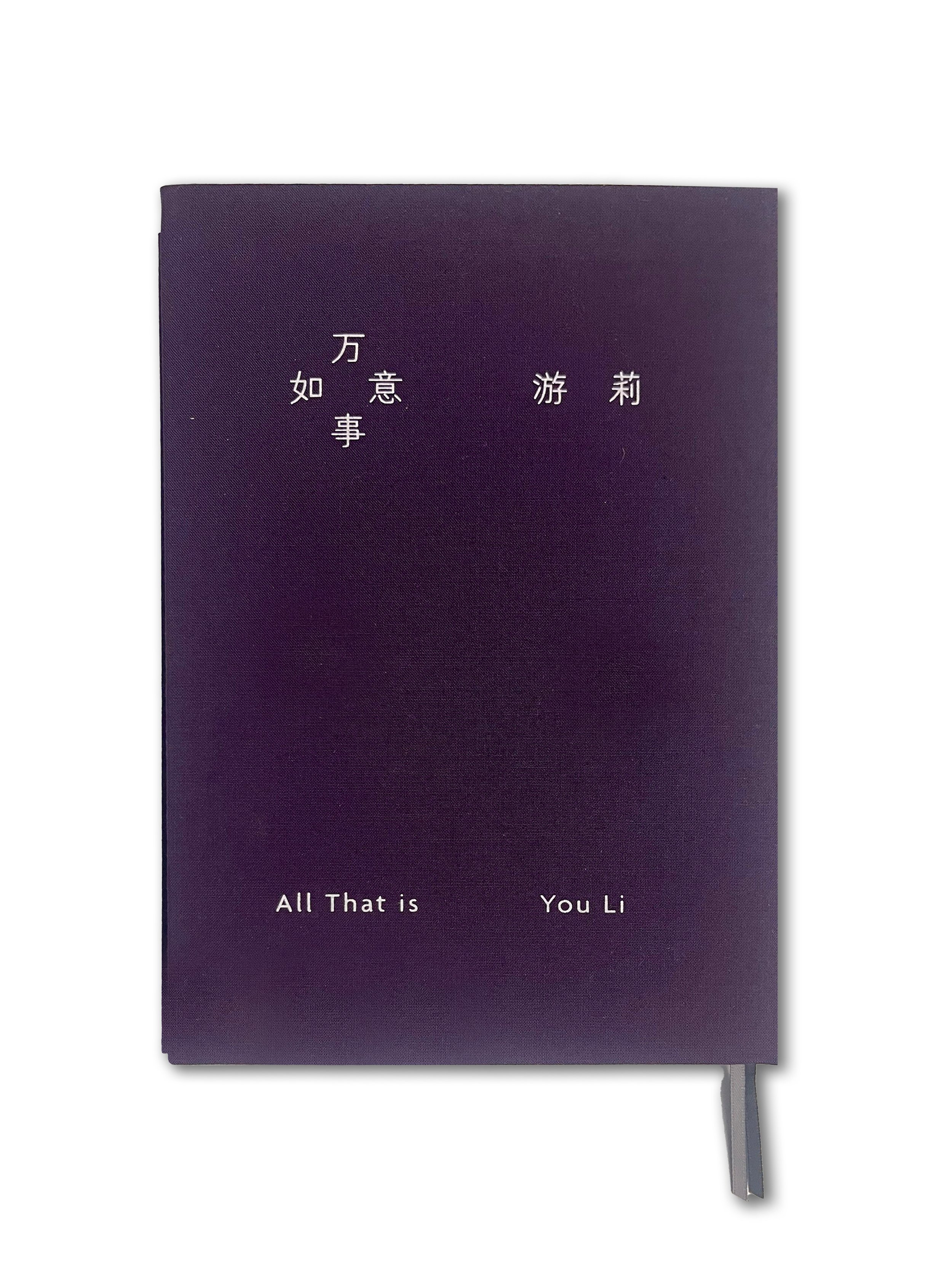
Published by Jiazazhi Press
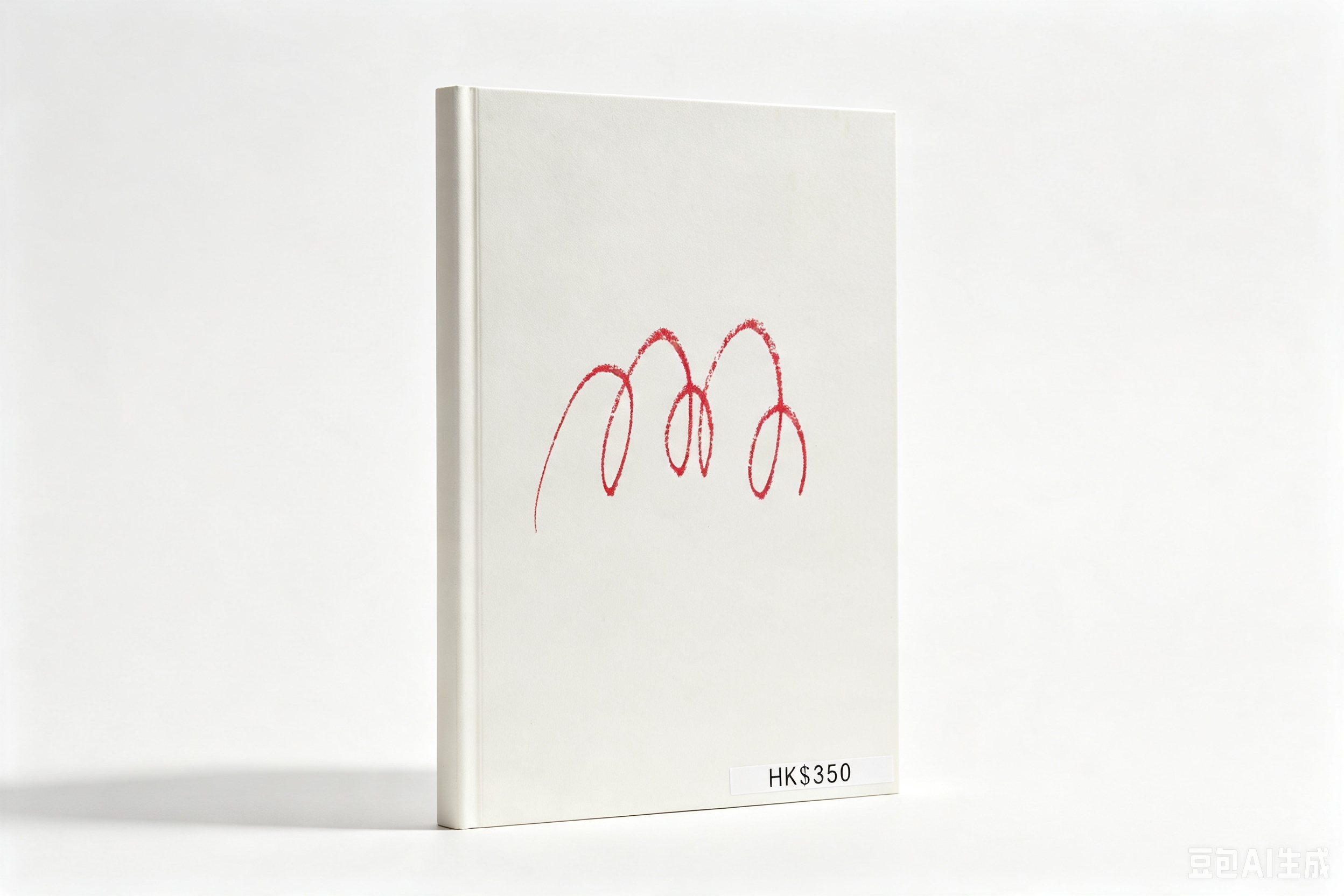
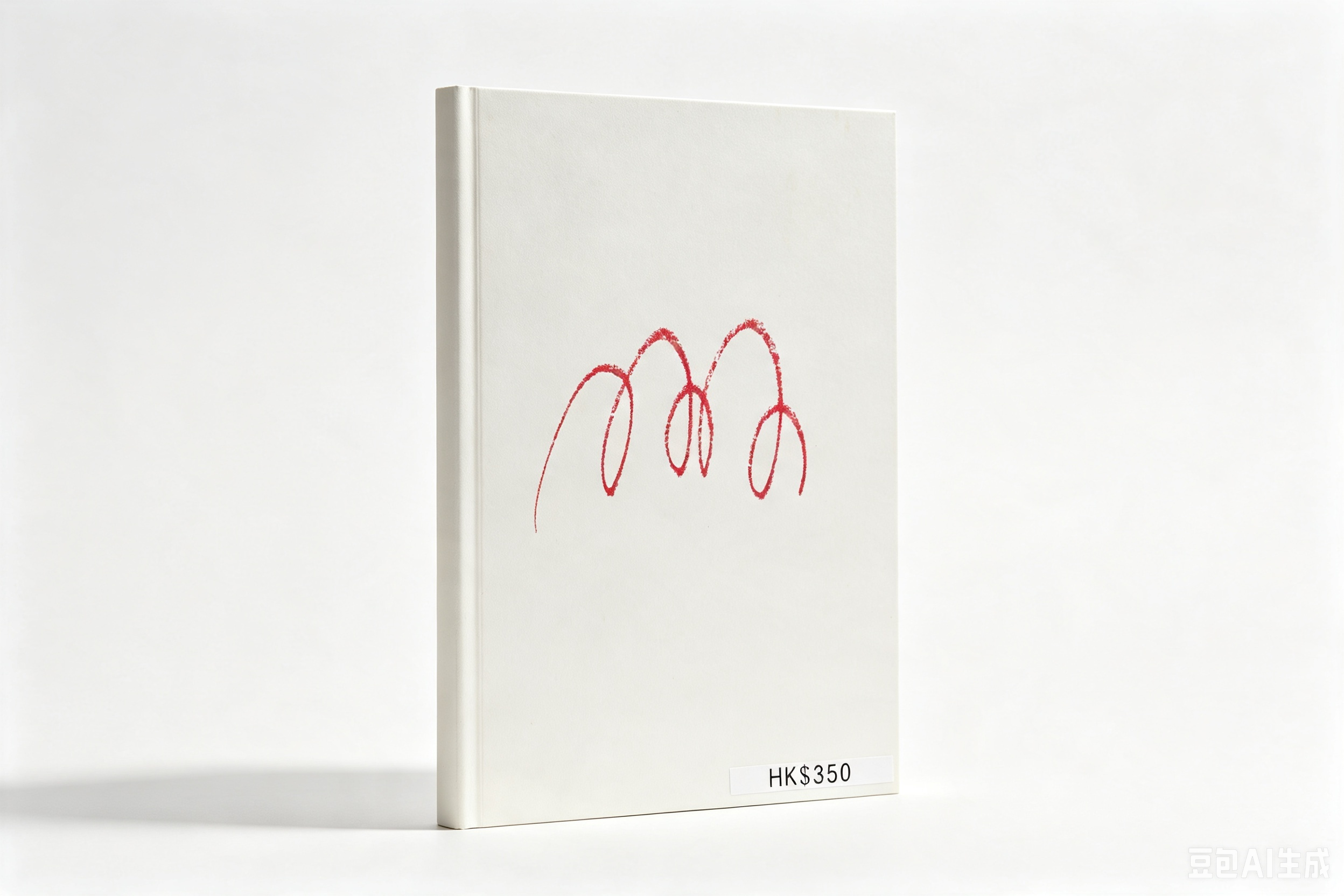
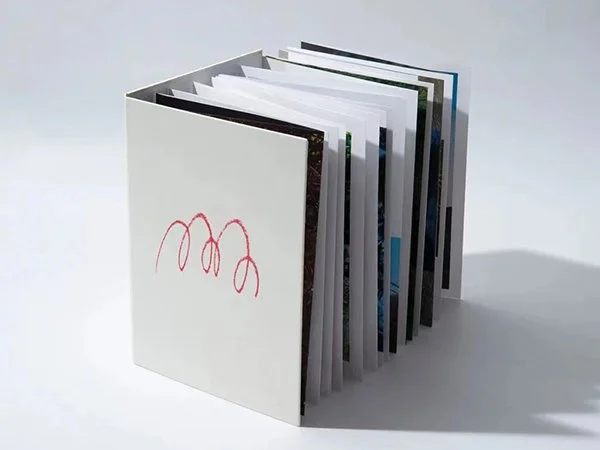
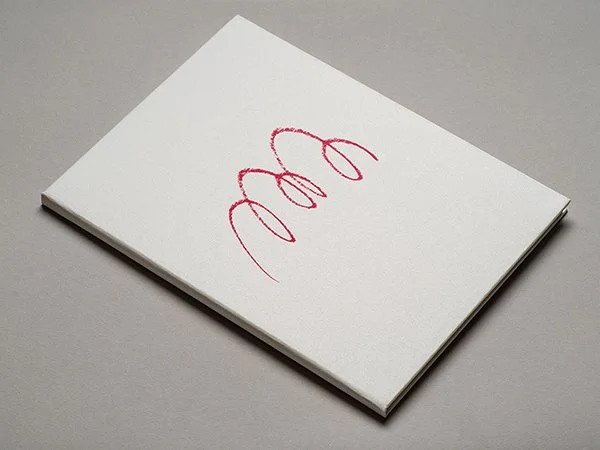
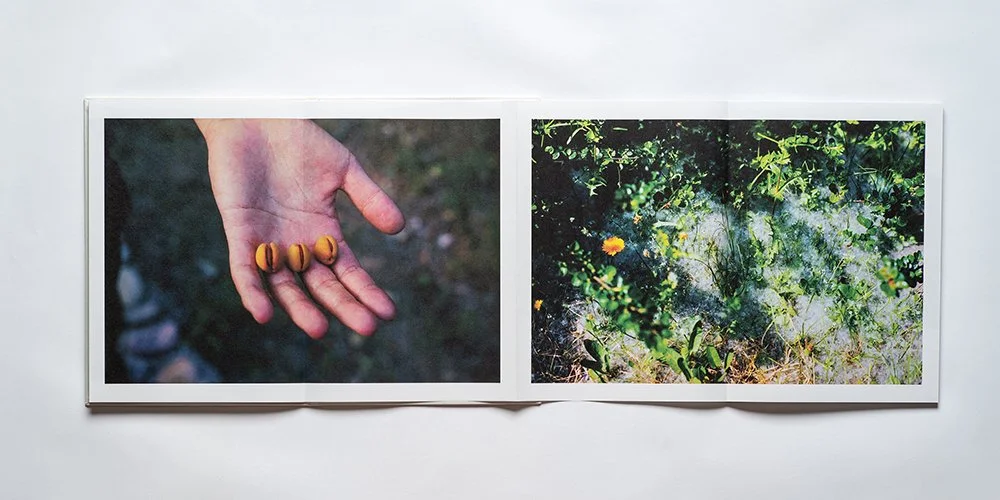
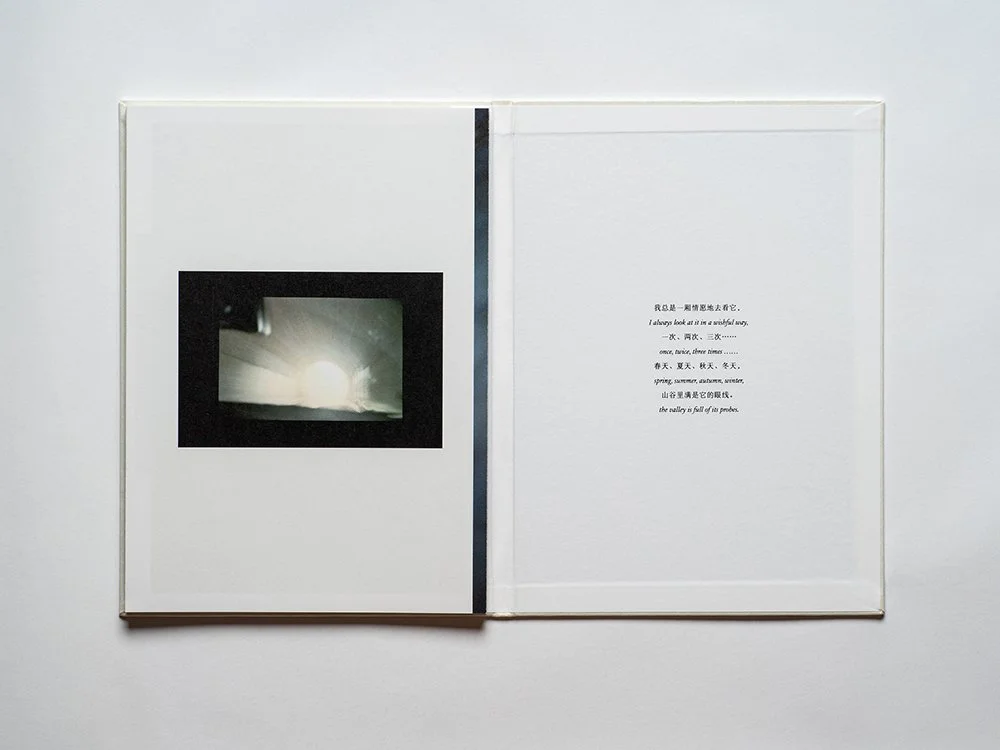
210 pages with 200+ colour photos, soft cover
Chinese and English
Size: 210 x 280 × 25mm (folded), 1.2 kg
ISBN 978-988-76921-0-2
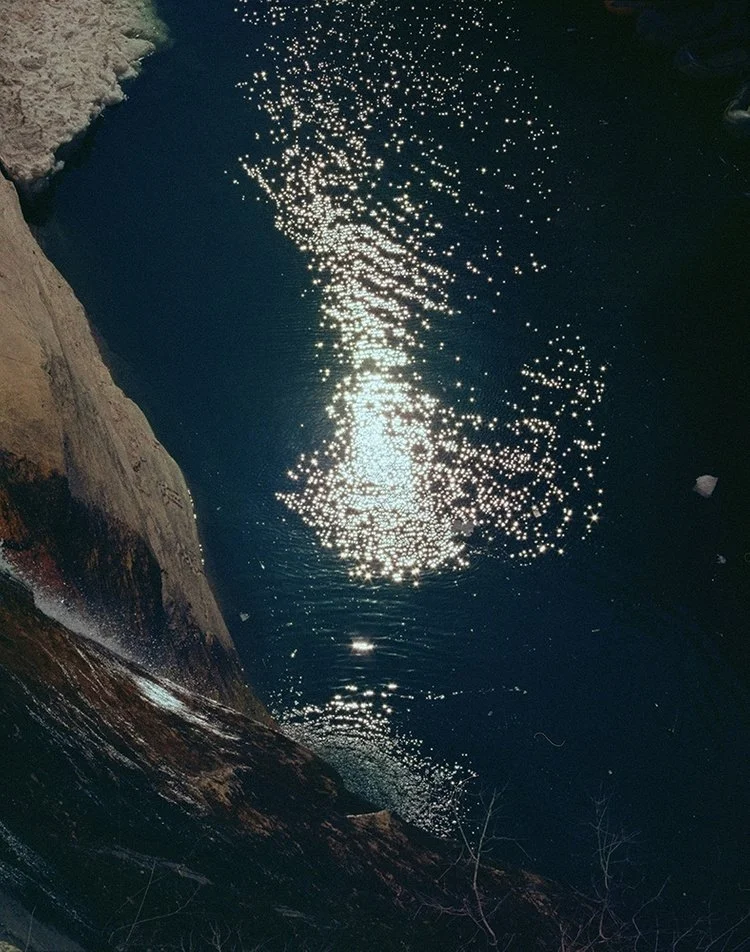
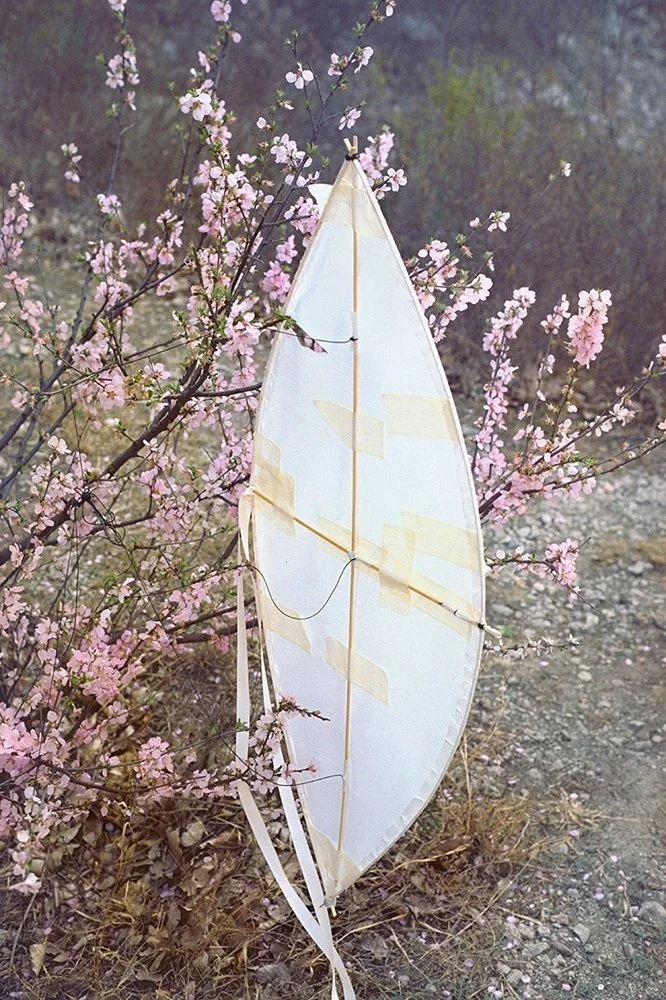
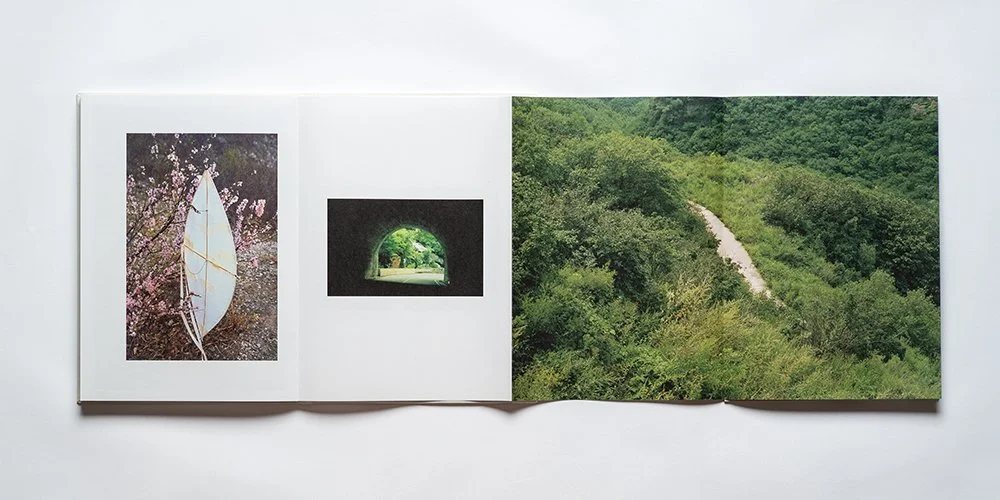
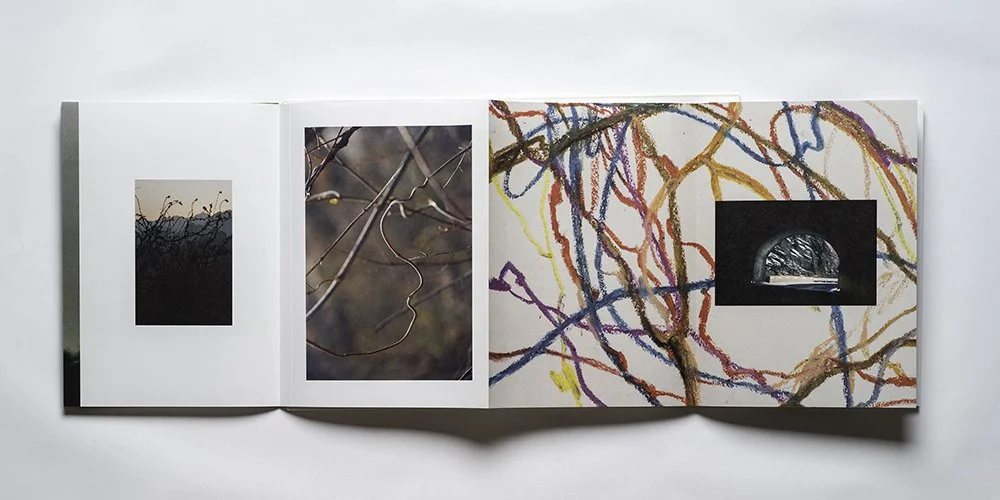
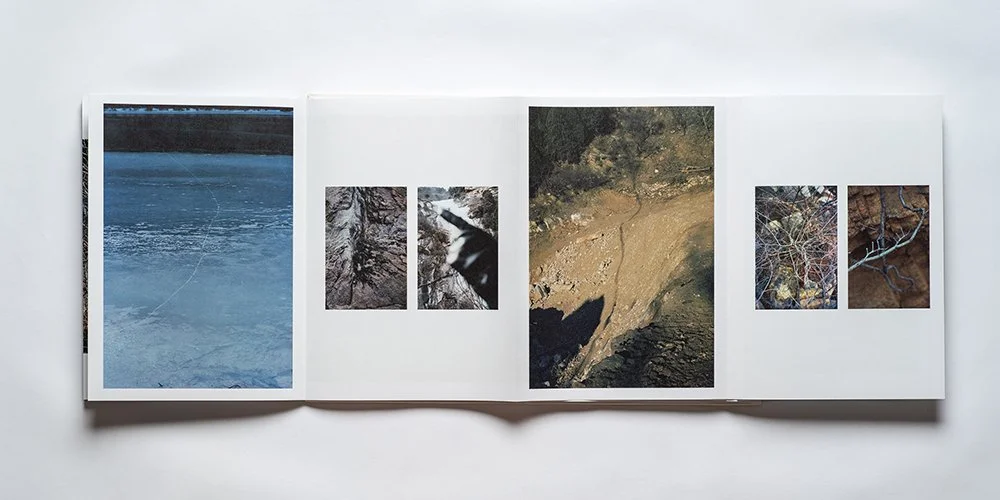
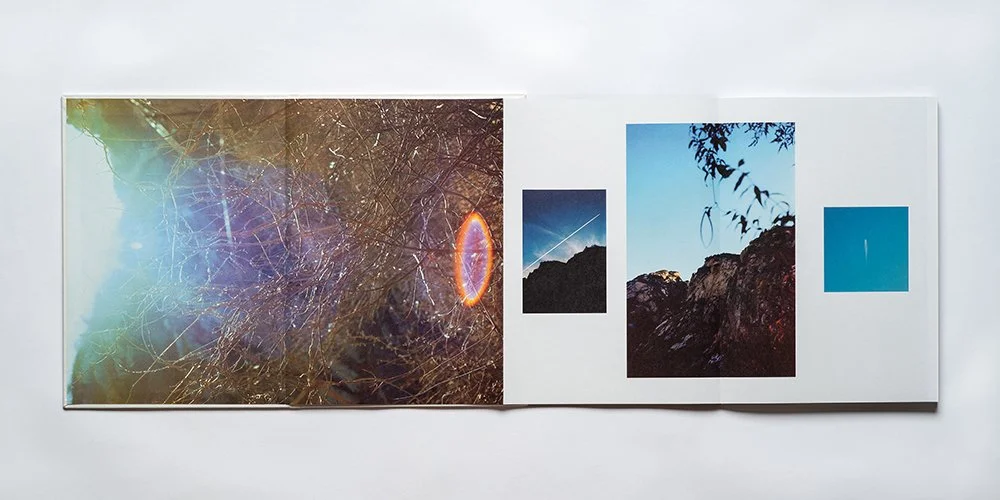
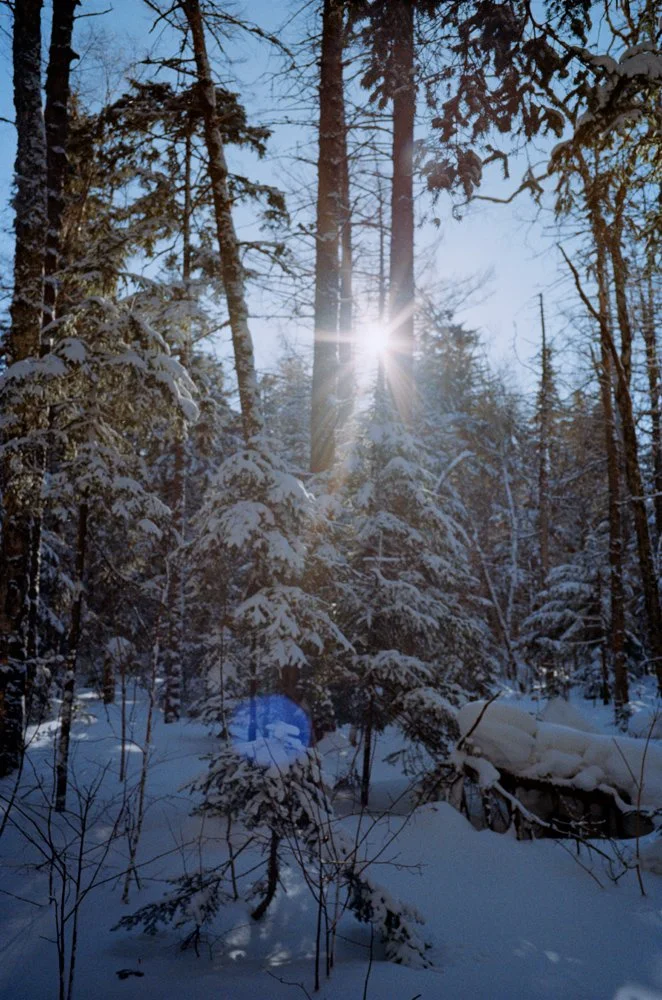
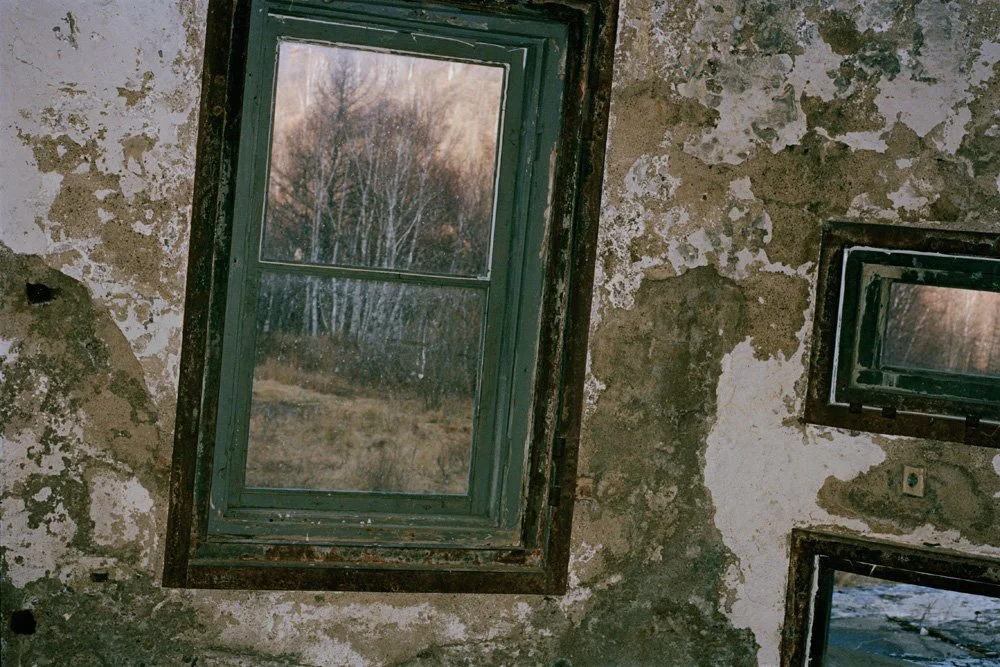
The book captures Sibei (meaning "Temple Back"), a traditional 500-year-old Hakka mountain village in southern/central Jiangxi Province, China, where Lahem was born and spent his youth. Sibei is historically notable as an early 20th-century base for Chinese revolutionaries, the seat of the Chinese Soviet Republic, and the starting point of the Red Army's Long March.
Sibei functions as a deep inquiry into the artist's personal identity, migration, and the shifting dynamics of modernity versus rural permanence. It forms the culmination of his long-term "Hometown Trilogy" and previous related artistic explorations (Wander-lost, Walking 1000 Kilometers Back to Hometown, and Luo Fuping/Reborn). Rather than keeping a binary opposition between himself and the land, Lahem focuses intimately on the enduring landscape and the enduring resilience of the people inhabiting it.
“Sibei was completed in 2024, marking the culmination of a project spanning 14 years. Since Lahem first encountered a camera in 2007, he began photographing Sibei—his birthplace and a typical mountain village in central China.”, as noted by Jiazazhi.
About the Photographer
Lahem (拉黑) is a contemporary Chinese visual artist born in Jiangxi Province in 1984. Of Hakka descent, he studied at Fudan University and the China Academy of Art, and he currently lives and works in Hangzhou as an artist and independent curator. His practice blends photography, performance art, and text to explore memory, migration, and rural identity amid China's rapid urbanization. By using his family and his hometown as primary case studies, Lahem captures the fragmented experience of modern urban immigrants. In December 2023, he won the prestigious Jimei x Arles Discovery Award for his Sibei exhibition, which marked a major shift in his perspective from personal displacement to a deeply shared destiny with the rural land and its people
uthor: Lahem
Published by Jiazazhi Press
210 pages with 200+ colour photos, soft cover
Chinese and English
Size: 210 x 280 × 25mm (folded), 1.2 kg
ISBN 978-988-76921-0-2
The book captures Sibei (meaning "Temple Back"), a traditional 500-year-old Hakka mountain village in southern/central Jiangxi Province, China, where Lahem was born and spent his youth. Sibei is historically notable as an early 20th-century base for Chinese revolutionaries, the seat of the Chinese Soviet Republic, and the starting point of the Red Army's Long March.
Sibei functions as a deep inquiry into the artist's personal identity, migration, and the shifting dynamics of modernity versus rural permanence. It forms the culmination of his long-term "Hometown Trilogy" and previous related artistic explorations (Wander-lost, Walking 1000 Kilometers Back to Hometown, and Luo Fuping/Reborn). Rather than keeping a binary opposition between himself and the land, Lahem focuses intimately on the enduring landscape and the enduring resilience of the people inhabiting it.
“Sibei was completed in 2024, marking the culmination of a project spanning 14 years. Since Lahem first encountered a camera in 2007, he began photographing Sibei—his birthplace and a typical mountain village in central China.”, as noted by Jiazazhi.
About the Photographer
Lahem (拉黑) is a contemporary Chinese visual artist born in Jiangxi Province in 1984. Of Hakka descent, he studied at Fudan University and the China Academy of Art, and he currently lives and works in Hangzhou as an artist and independent curator. His practice blends photography, performance art, and text to explore memory, migration, and rural identity amid China's rapid urbanization. By using his family and his hometown as primary case studies, Lahem captures the fragmented experience of modern urban immigrants. In December 2023, he won the prestigious Jimei x Arles Discovery Award for his Sibei exhibition, which marked a major shift in his perspective from personal displacement to a deeply shared destiny with the rural land and its people

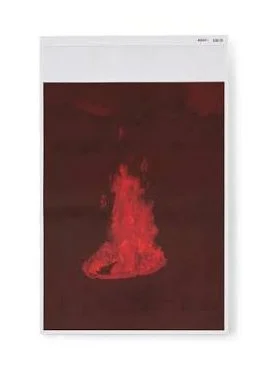 Image 1 of 9
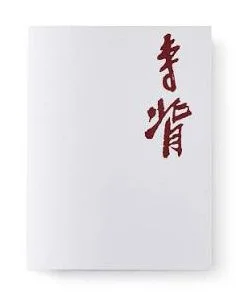 Image 2 of 9
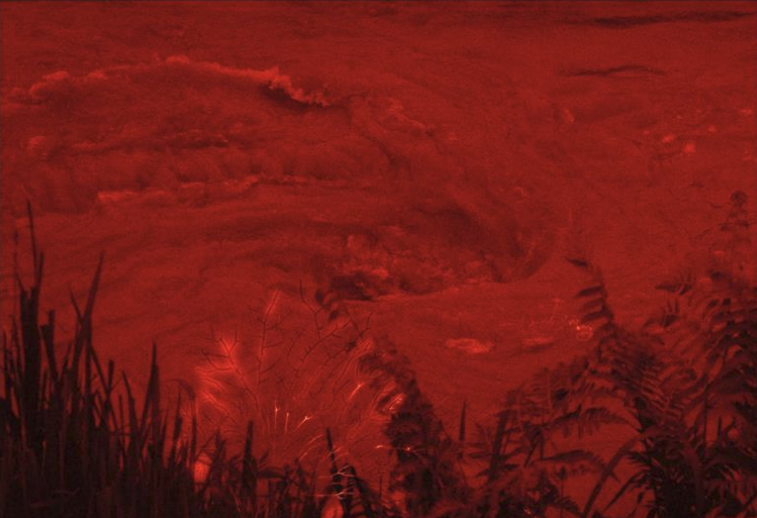 Image 3 of 9
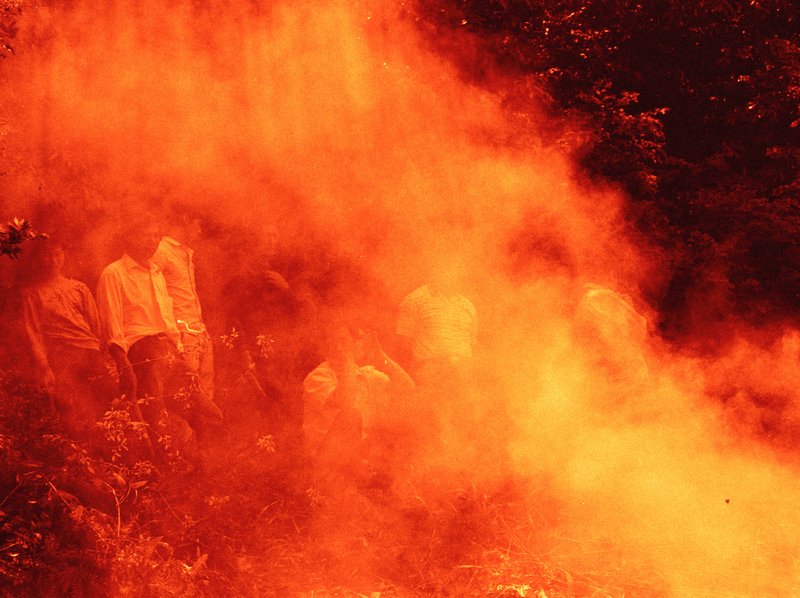 Image 4 of 9
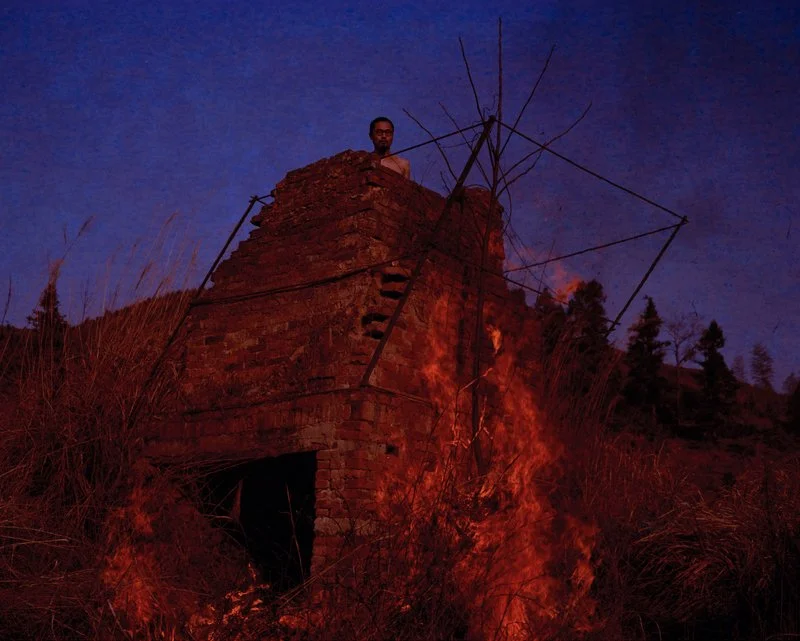 Image 5 of 9
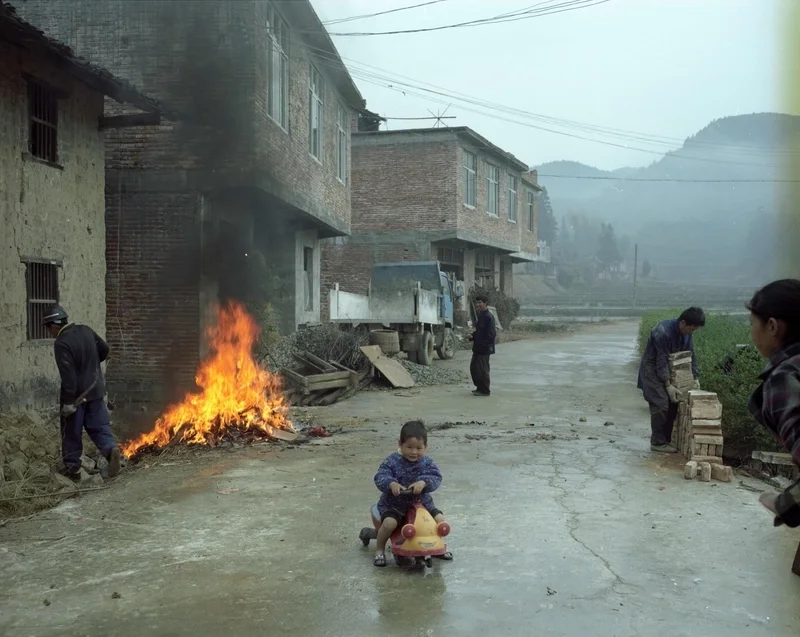 Image 6 of 9
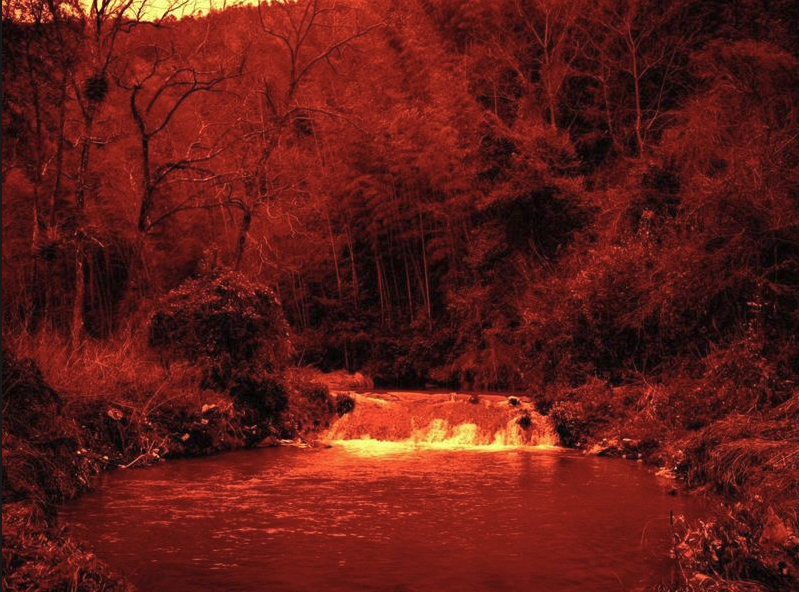 Image 7 of 9
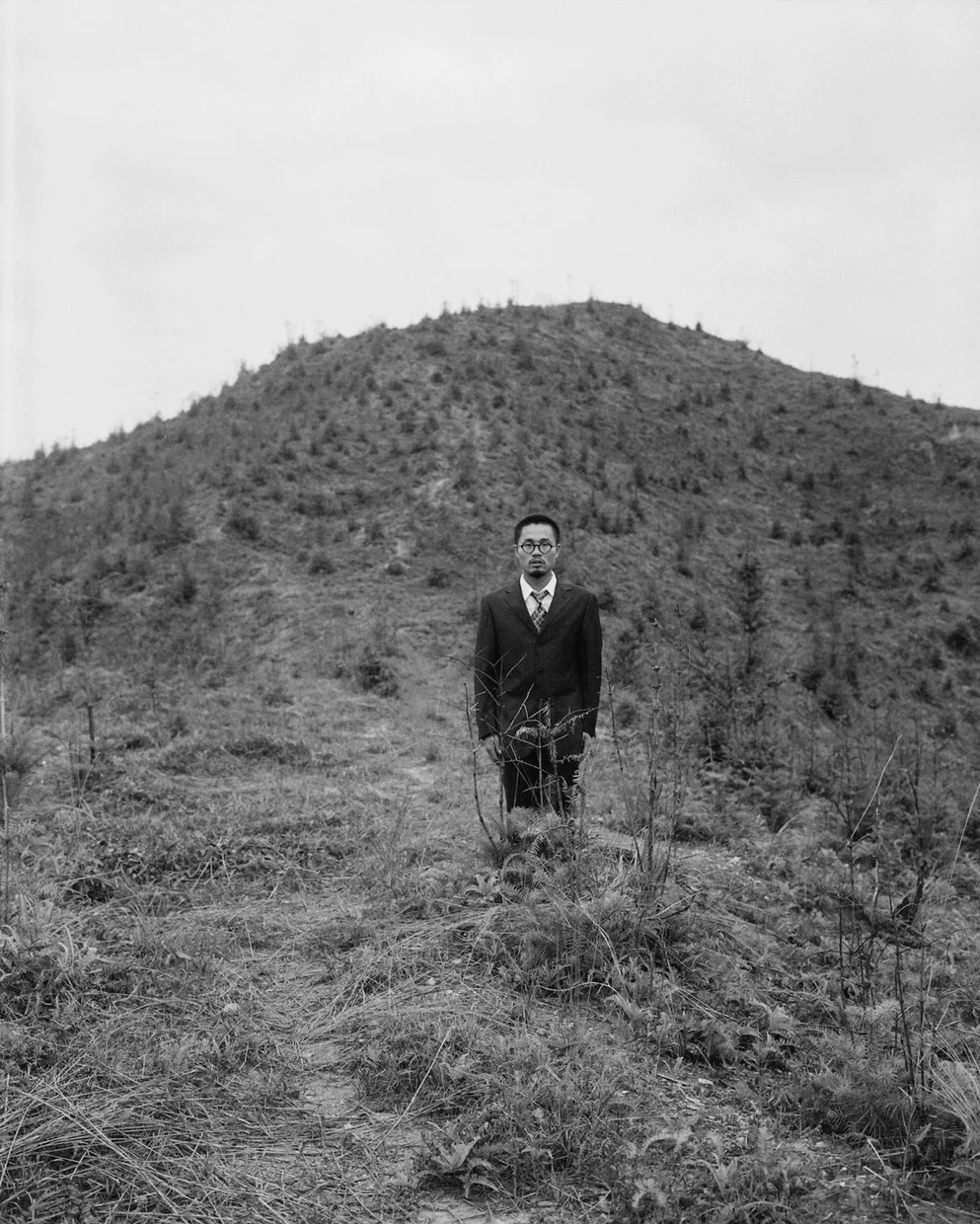 Image 8 of 9
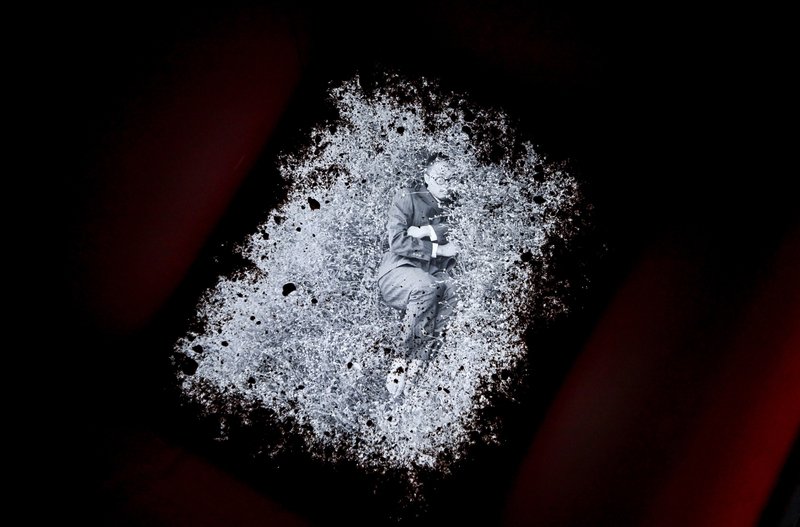 Image 9 of 9