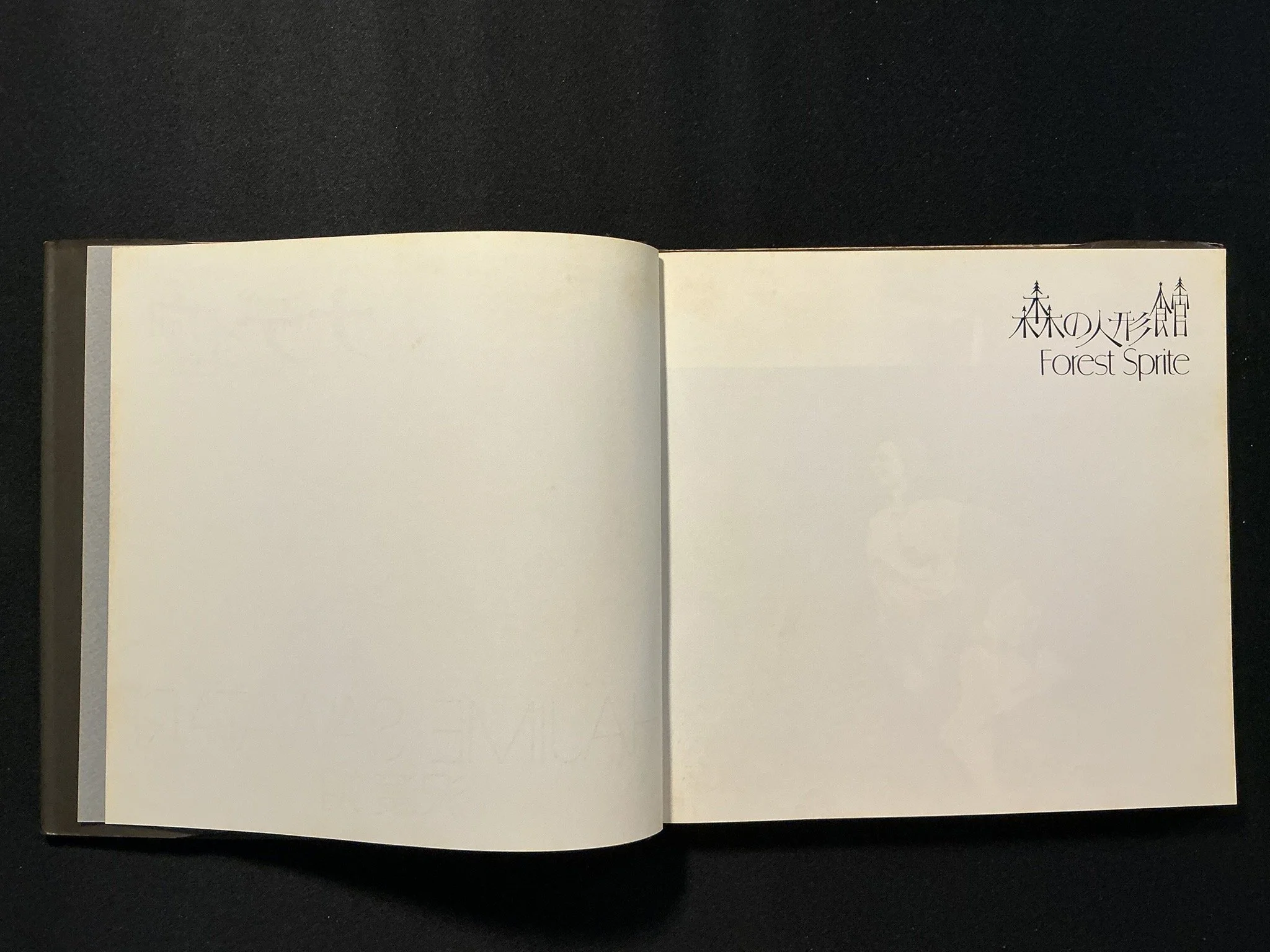
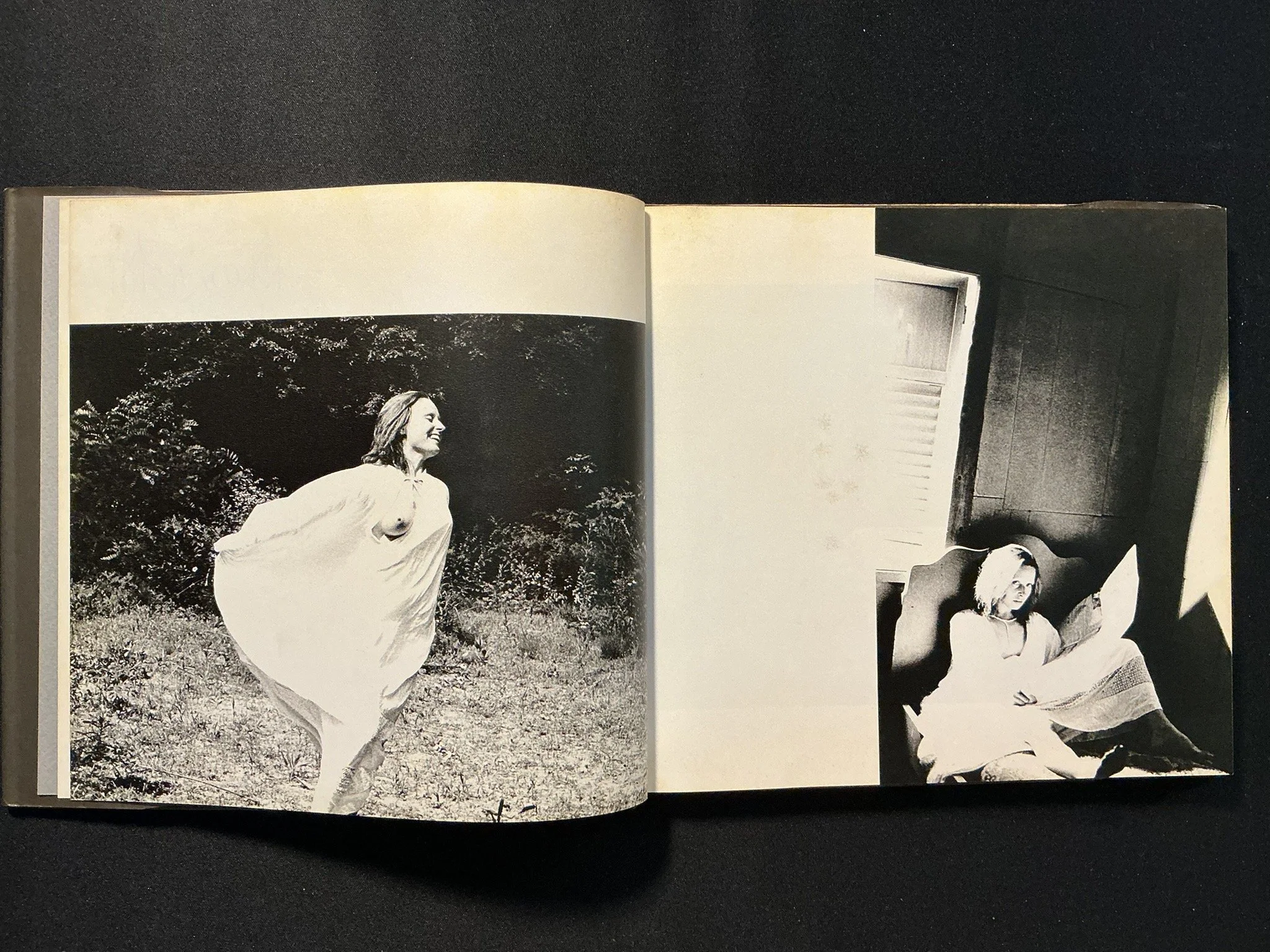
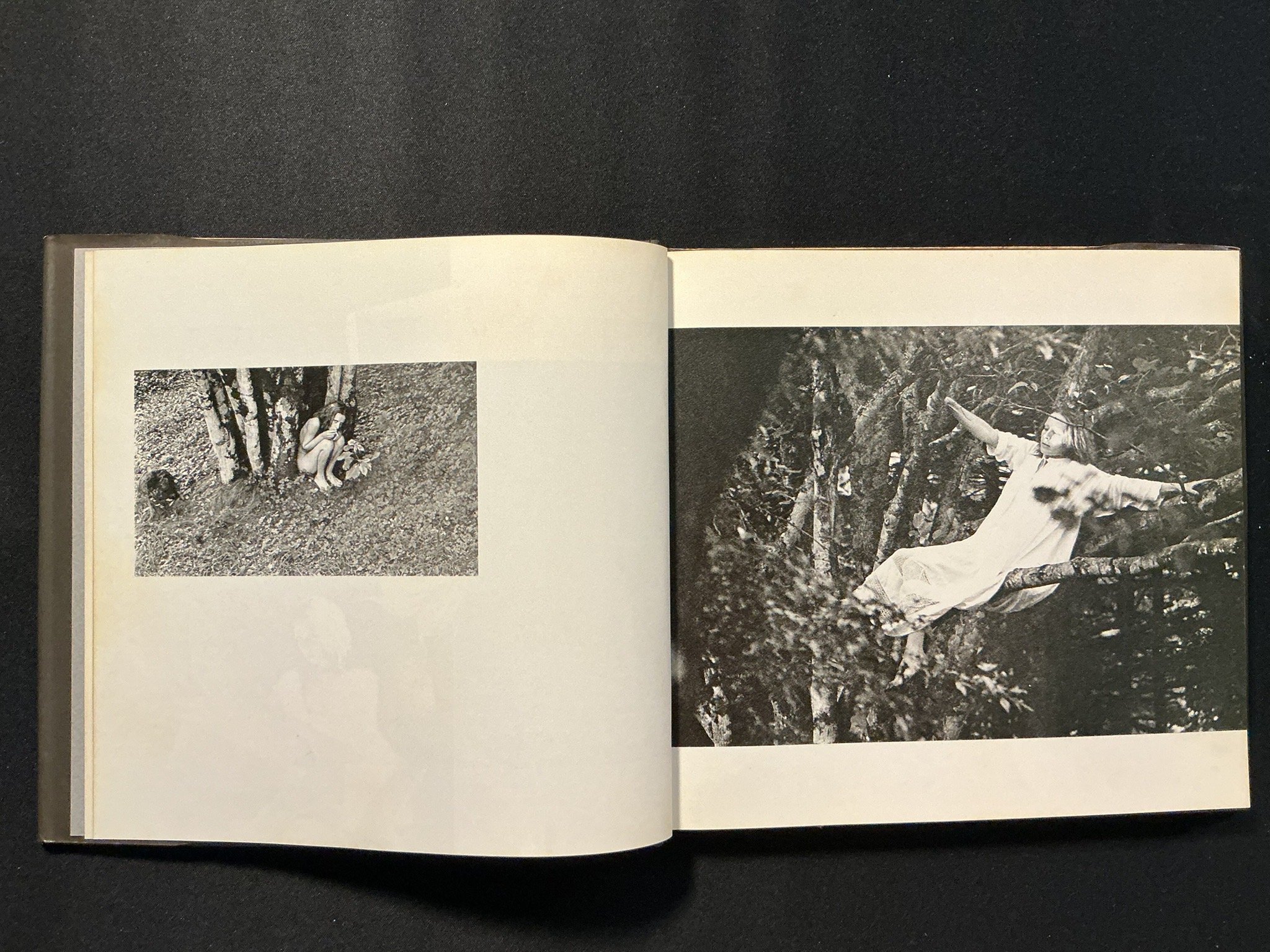
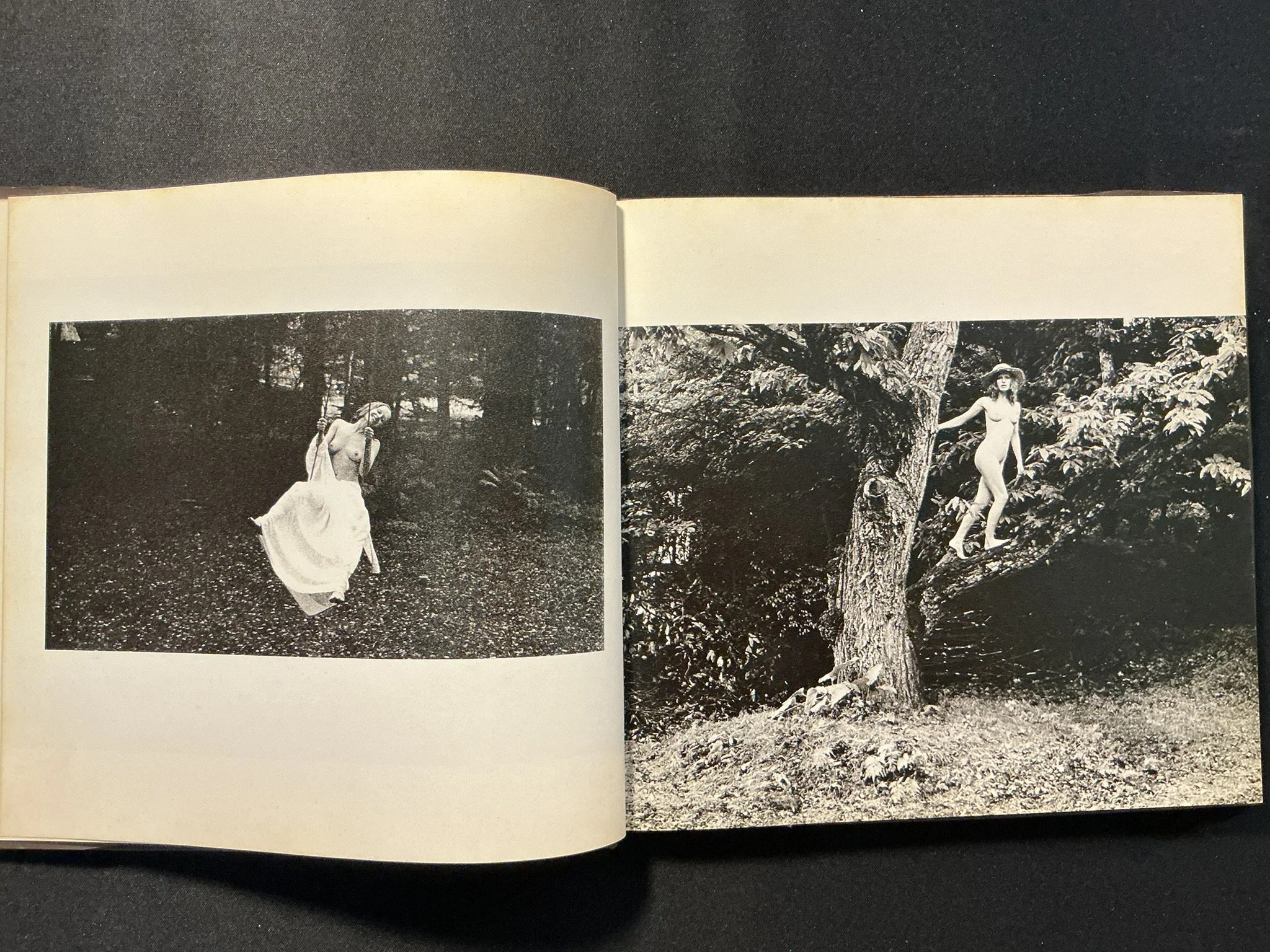
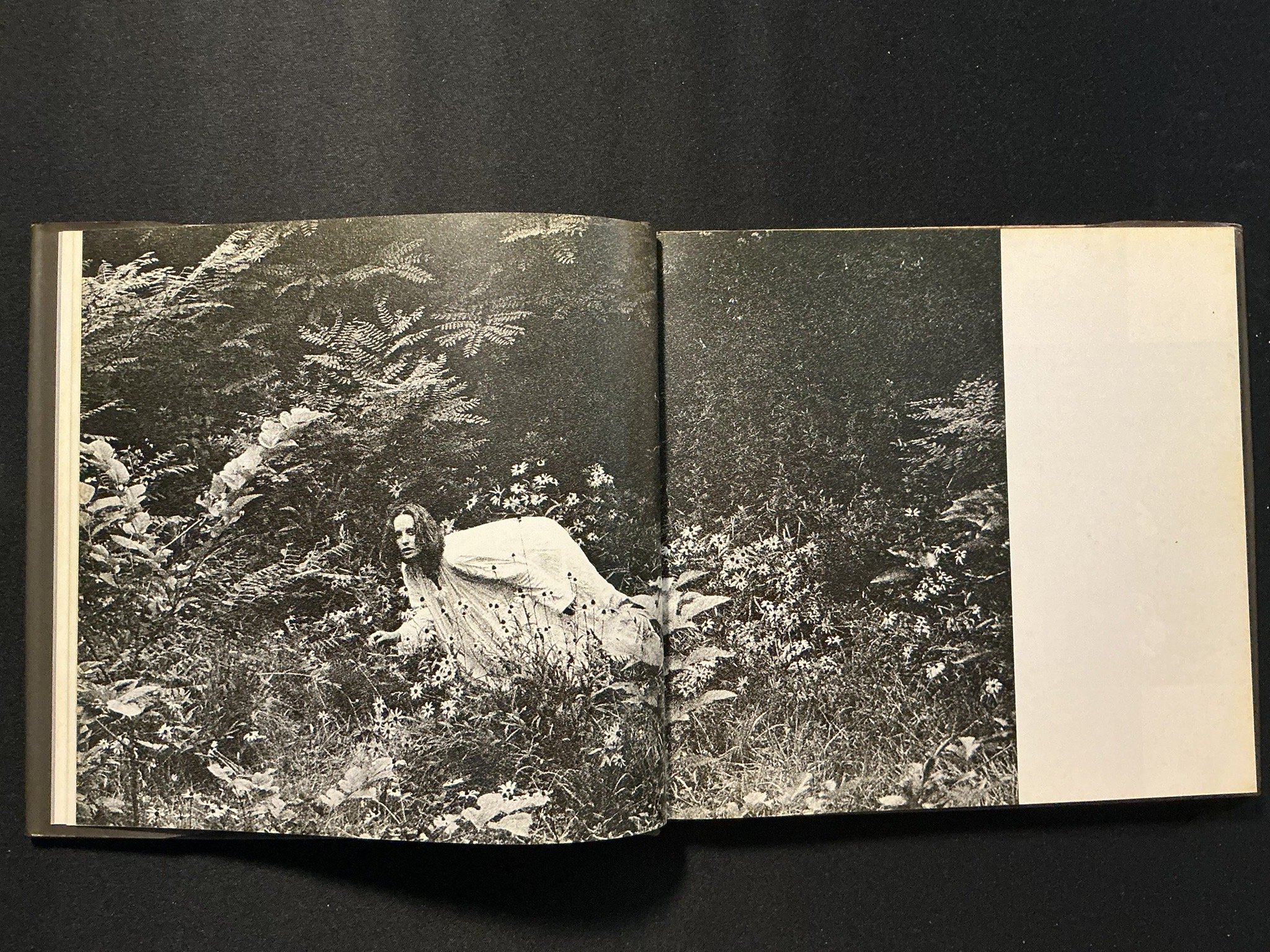
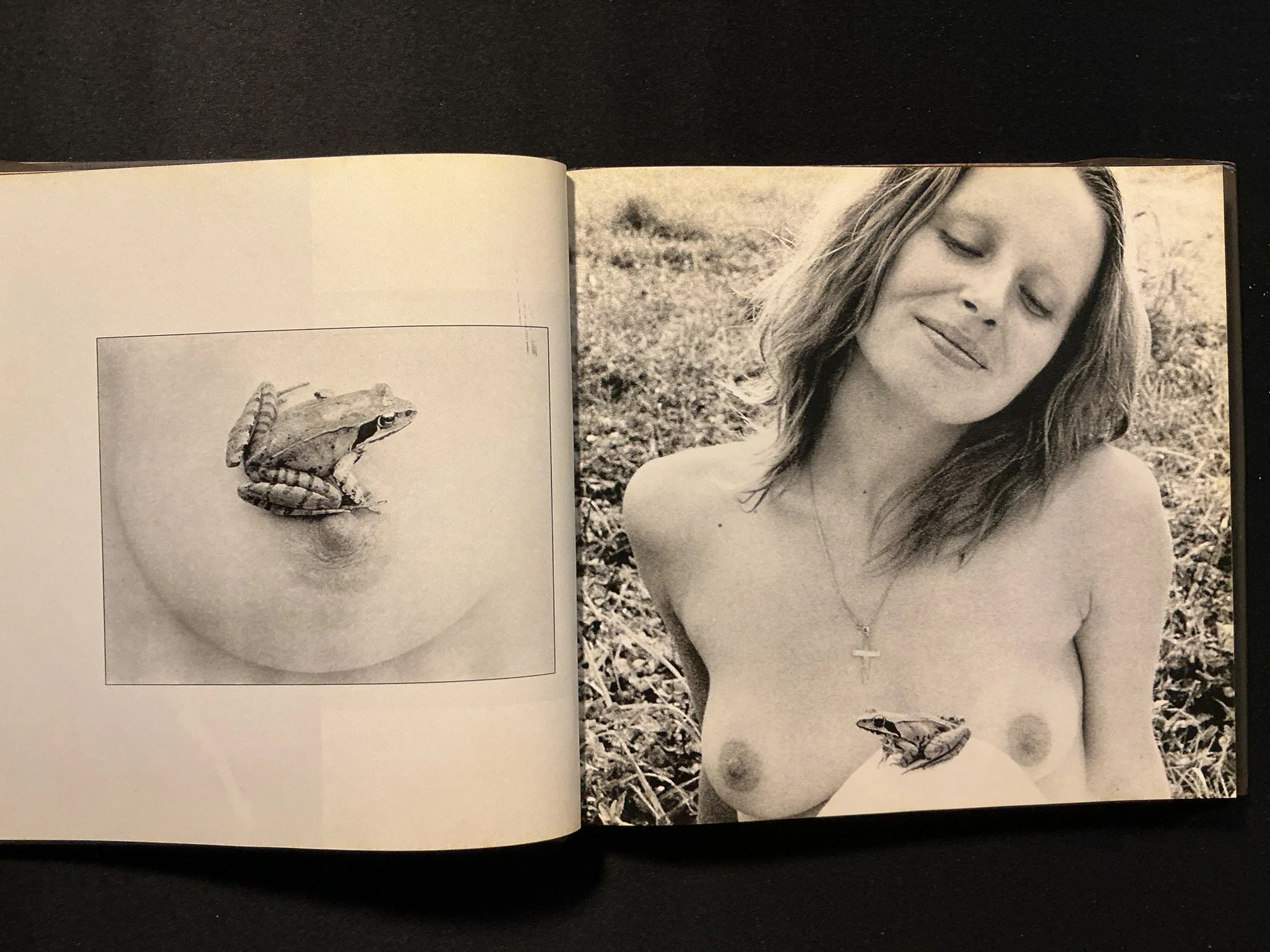
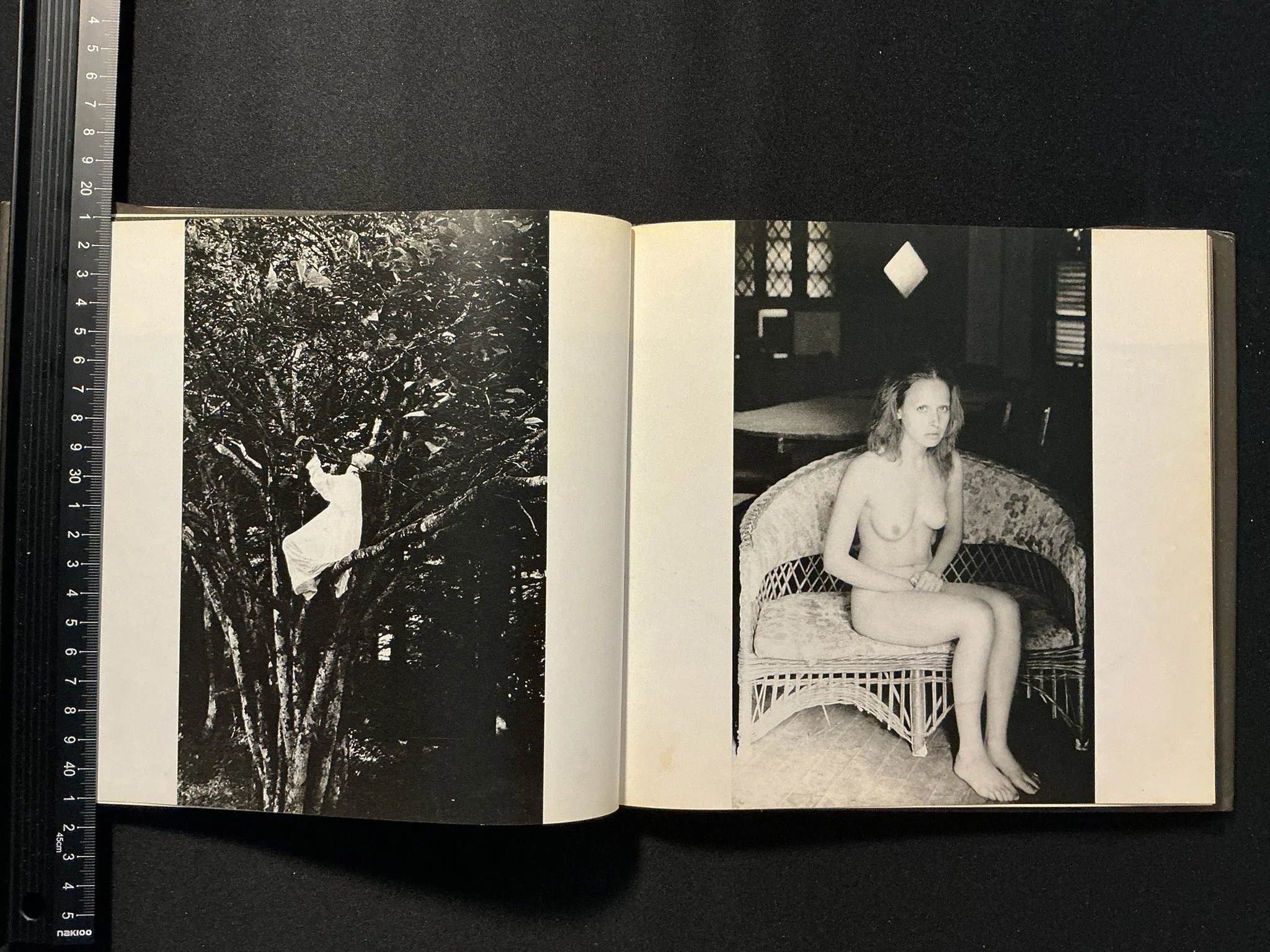
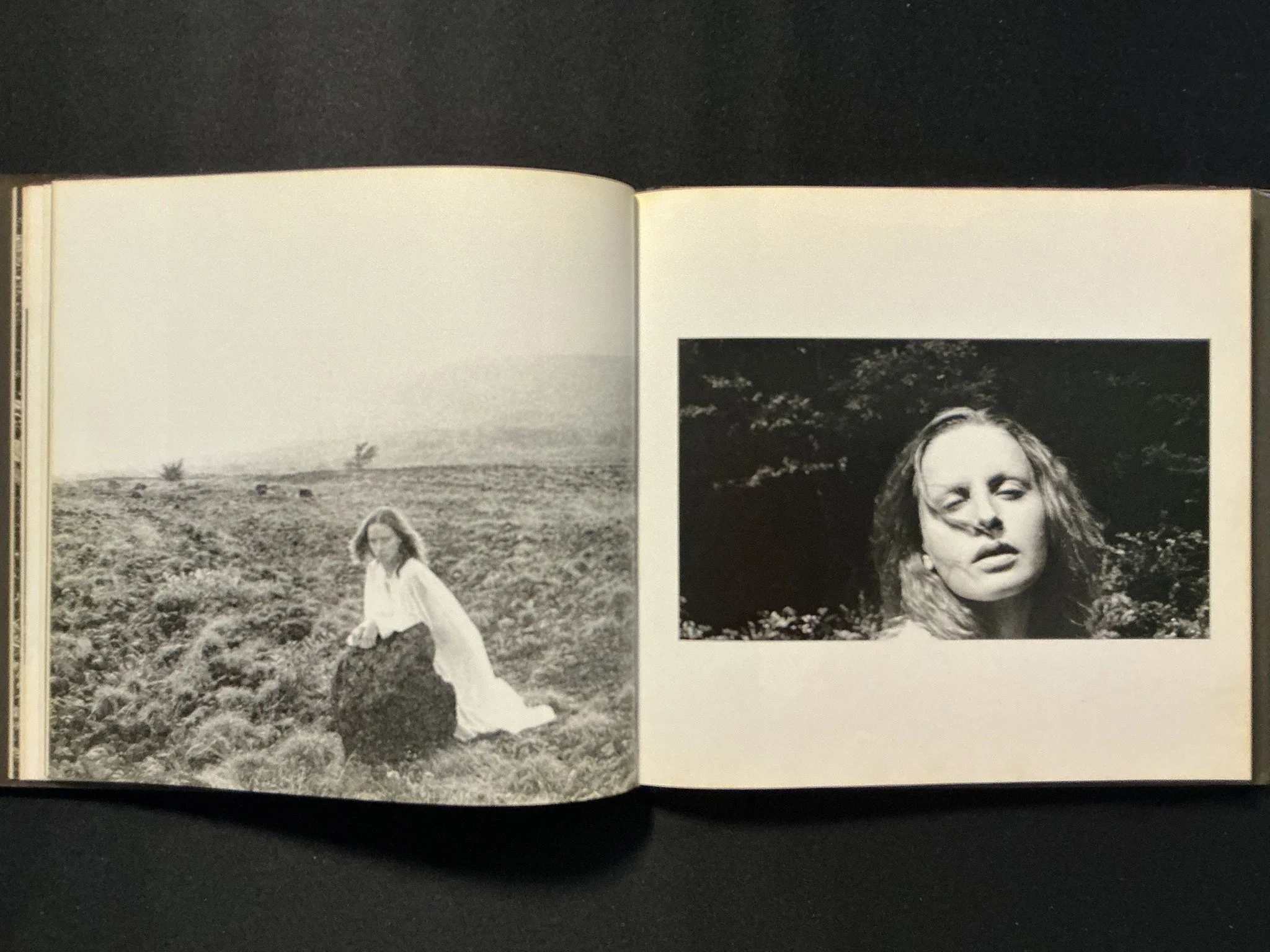
Published by Hysteric Glamour, Tokyo 2004
Cloth bound hard cover, 88 pages, 79 pictures
26 × 23 × 1 cm, 610 gsm
Text by Koko Yamagishi
Condition: excellent, Hard cover without the acetate vinyl cover
[our ref. VB0335]
+++
Bukubuku (which translates to “Bubbling”) is intimate, performative, and unsettling. Through repeated self‑immersion in water, Fukase turns the bathtub into a stage where vulnerability, absurdity, and psychological intensity merge. The bubbling water becomes both literal and symbolic—suggesting suffocation, isolation, self‑reflection, and perhaps a final act of self‑examination before his tragic accident. Masahisa Fukase died in 2012.
The book presents a series of black‑and‑white self‑portraits taken in 1991, in which Fukase photographed himself in his bathtub using an underwater camera. The images show him partially submerged, surrounded by water and bubbles, making exaggerated or strained facial expressions. The confined space of the small stainless‑steel tub contributes to the work’s intense and claustrophobic feeling.
Although Fukase is best known for Ravens (Karasu, 1983), a dark and brooding masterpiece, Bukubuku is often regarded as one of his last major bodies of work. The series was originally shown in a 1992 exhibition; shortly afterward, Fukase suffered a severe accident that ended his photographic career. In this sense, Bukubukuis frequently seen as his final self‑portrait series from the last phase of his life.
According to curator and critic Koko Yamagishi, the series had long been considered an “unspoken” or “sealed” body of work, created during a time when friends were concerned about Fukase’s increasingly unstable behavior. The photographs, taken daily over about a month in late 1991, were carefully staged and methodically produced despite their chaotic emotional tone.
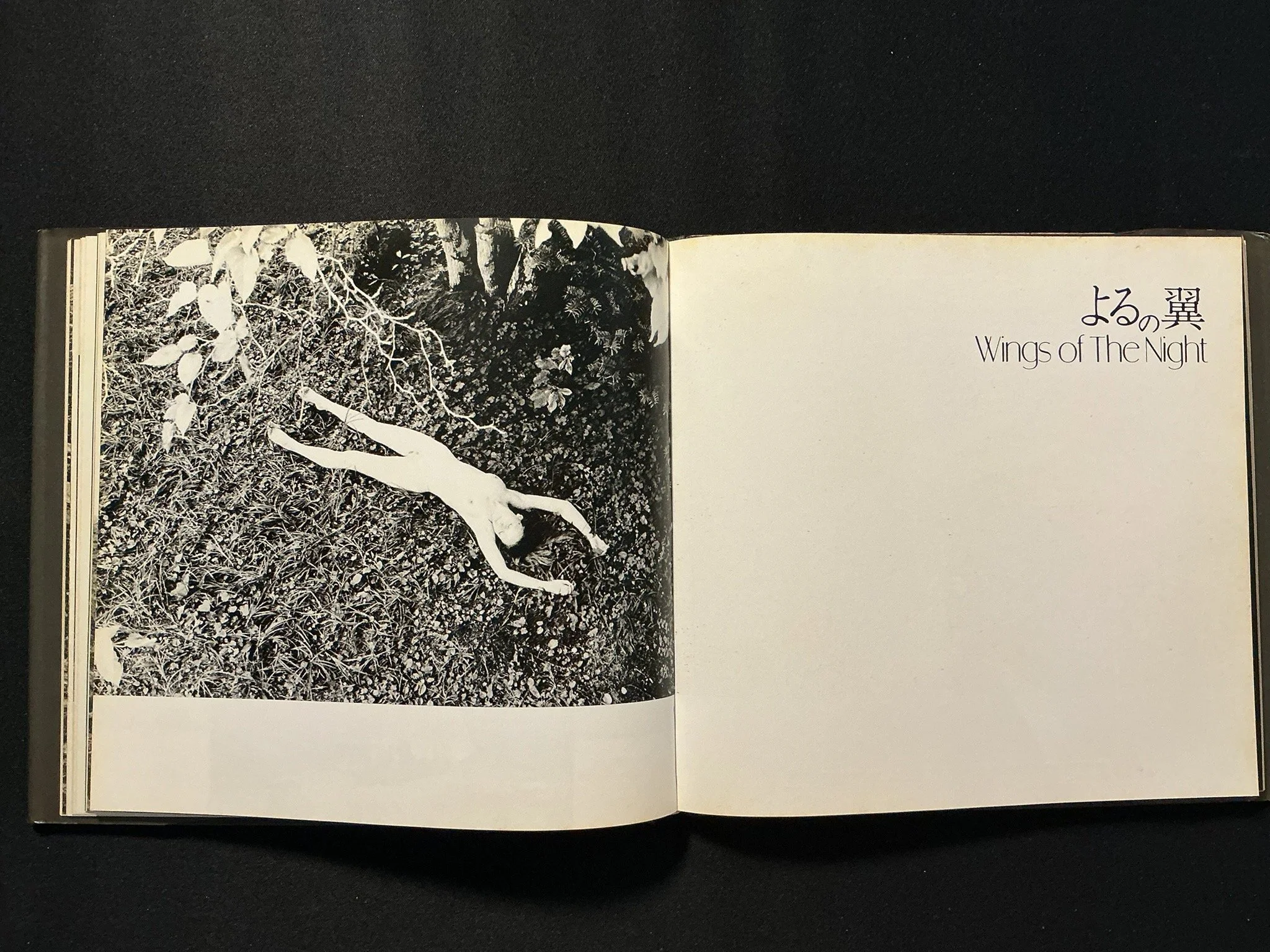
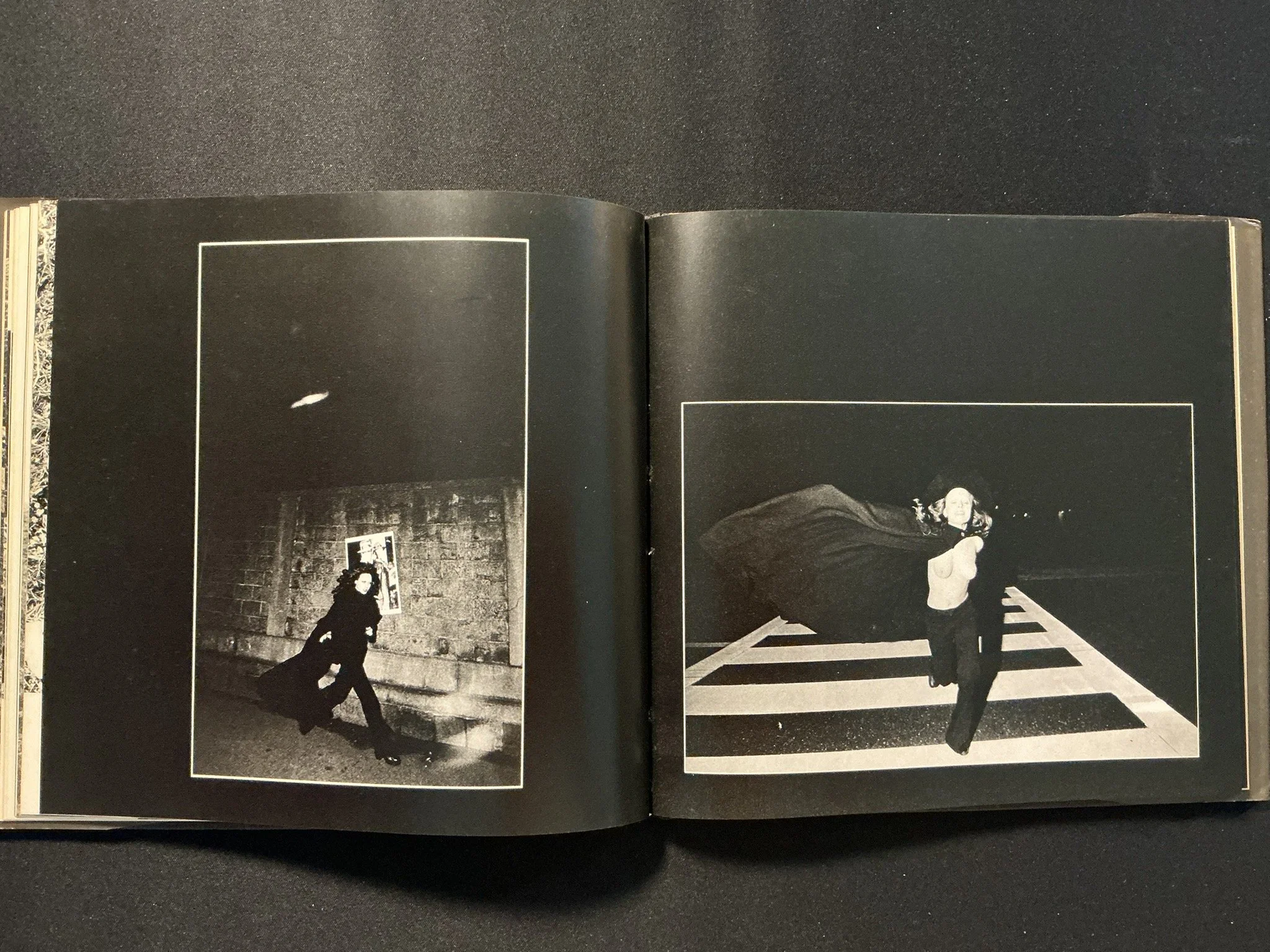
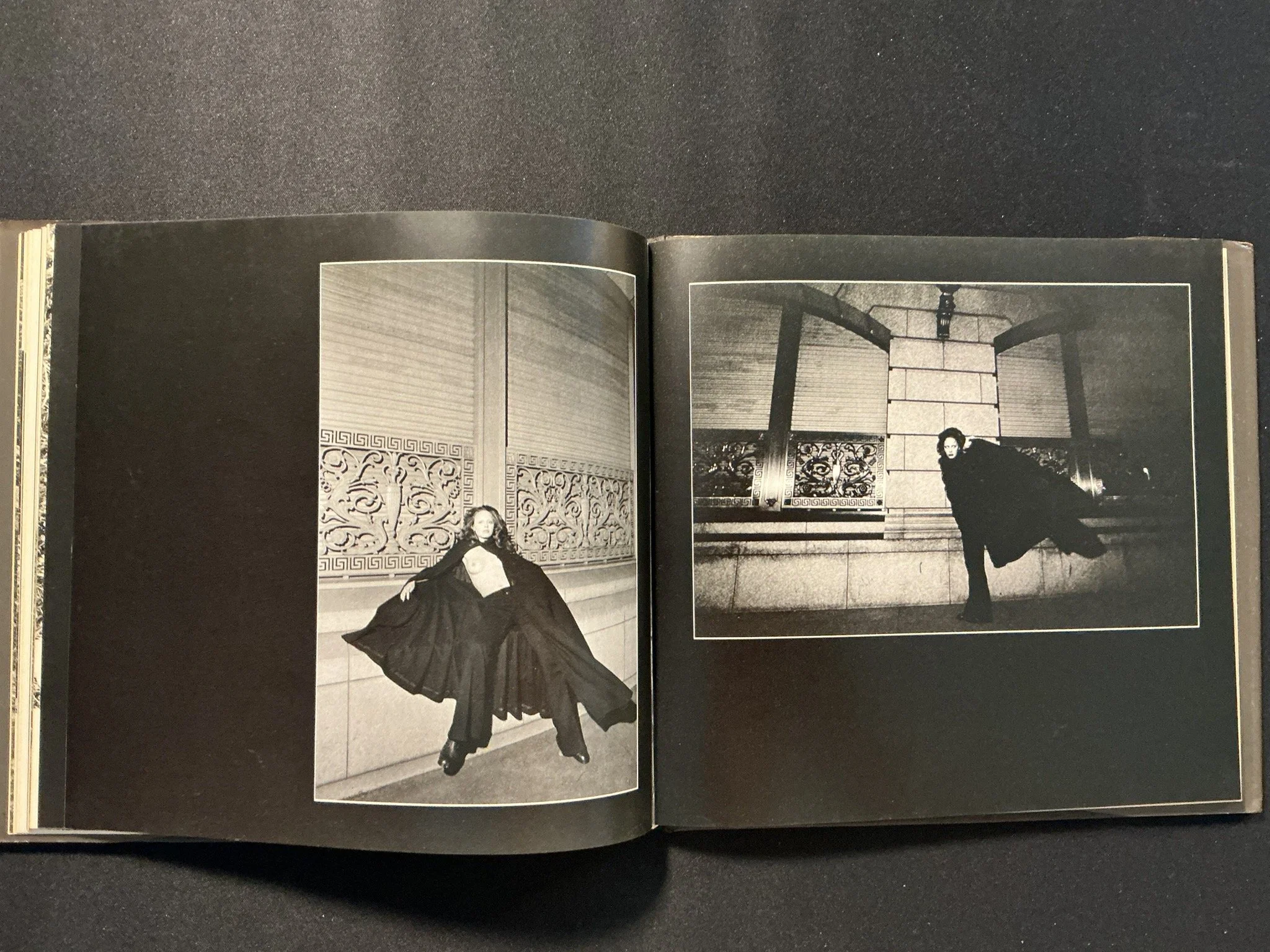
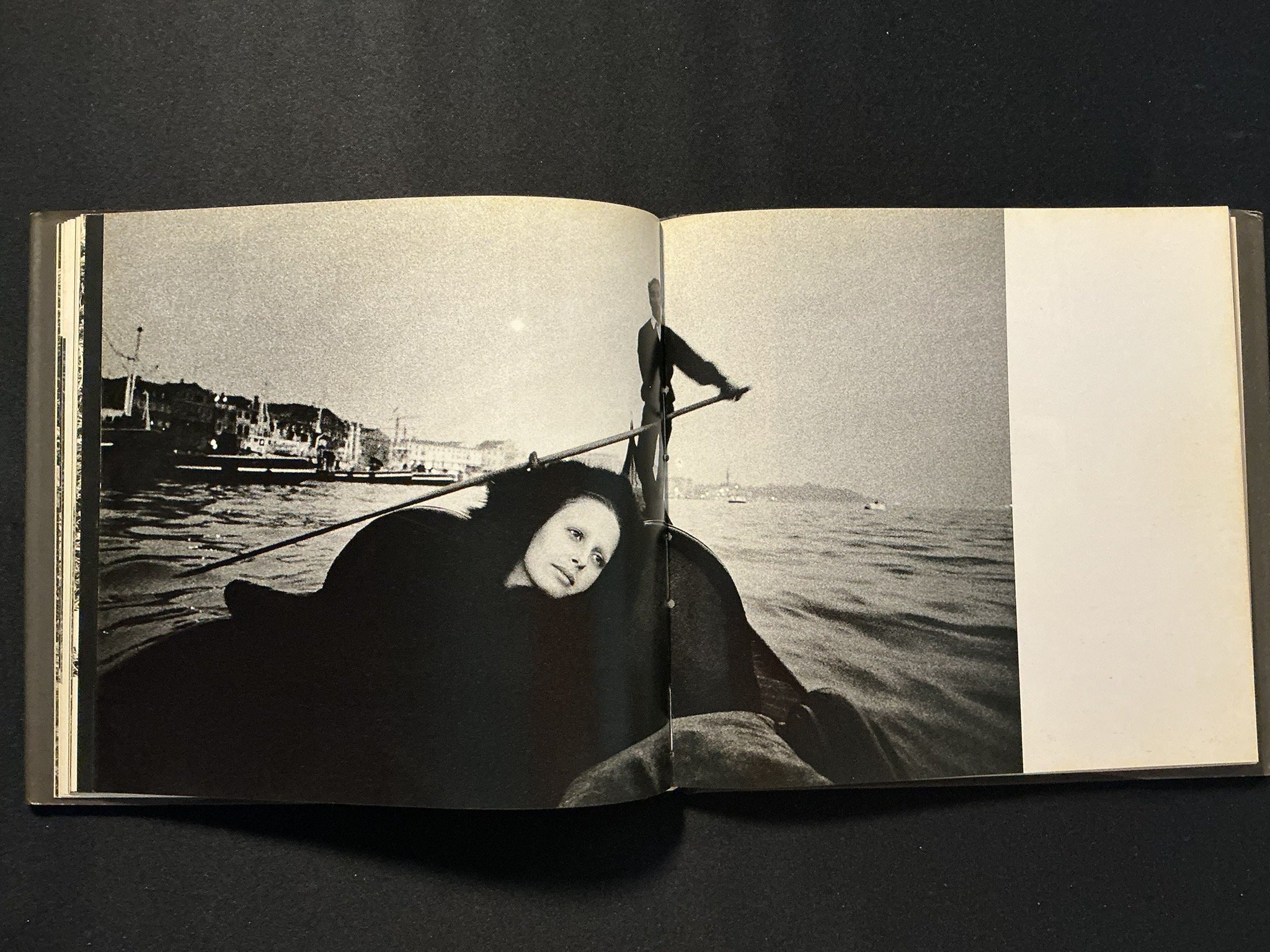
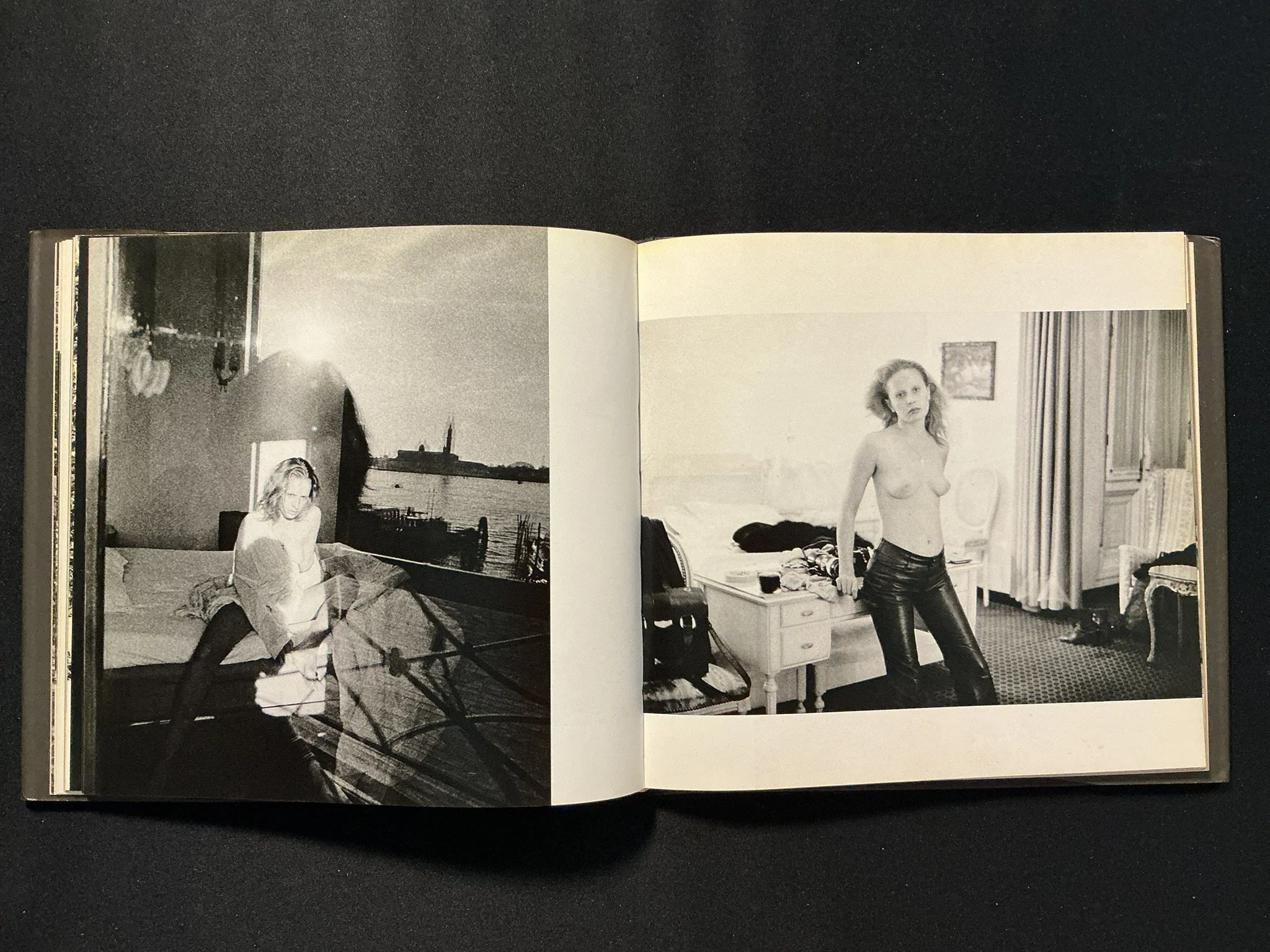
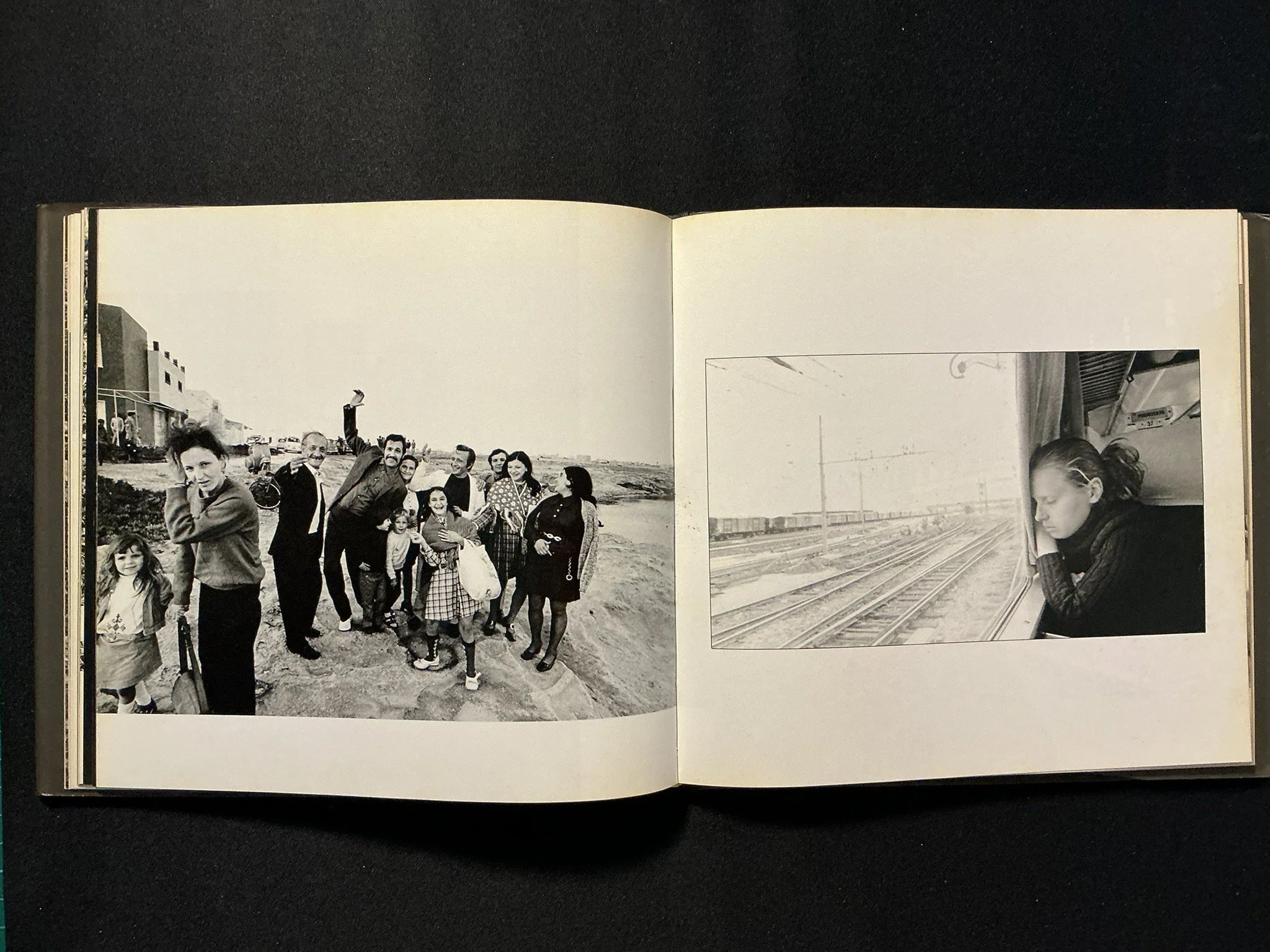
Physically, the book is a clothbound hardcover (approximately 88 pages) featuring black‑and‑white reproductions and an essay by Koko Yamagishi. Today it is considered a rare and collectible photobook.
Published by Hysteric Glamour, Tokyo 2004
Cloth bound hard cover, 88 pages, 79 pictures
26 × 23 × 1 cm, 610 gsm
Text by Koko Yamagishi
Condition: excellent, Hard cover without the acetate vinyl cover
[our ref. VB0335]
+++
Bukubuku (which translates to “Bubbling”) is intimate, performative, and unsettling. Through repeated self‑immersion in water, Fukase turns the bathtub into a stage where vulnerability, absurdity, and psychological intensity merge. The bubbling water becomes both literal and symbolic—suggesting suffocation, isolation, self‑reflection, and perhaps a final act of self‑examination before his tragic accident. Masahisa Fukase died in 2012.
The book presents a series of black‑and‑white self‑portraits taken in 1991, in which Fukase photographed himself in his bathtub using an underwater camera. The images show him partially submerged, surrounded by water and bubbles, making exaggerated or strained facial expressions. The confined space of the small stainless‑steel tub contributes to the work’s intense and claustrophobic feeling.
Although Fukase is best known for Ravens (Karasu, 1983), a dark and brooding masterpiece, Bukubuku is often regarded as one of his last major bodies of work. The series was originally shown in a 1992 exhibition; shortly afterward, Fukase suffered a severe accident that ended his photographic career. In this sense, Bukubukuis frequently seen as his final self‑portrait series from the last phase of his life.
According to curator and critic Koko Yamagishi, the series had long been considered an “unspoken” or “sealed” body of work, created during a time when friends were concerned about Fukase’s increasingly unstable behavior. The photographs, taken daily over about a month in late 1991, were carefully staged and methodically produced despite their chaotic emotional tone.
Physically, the book is a clothbound hardcover (approximately 88 pages) featuring black‑and‑white reproductions and an essay by Koko Yamagishi. Today it is considered a rare and collectible photobook.

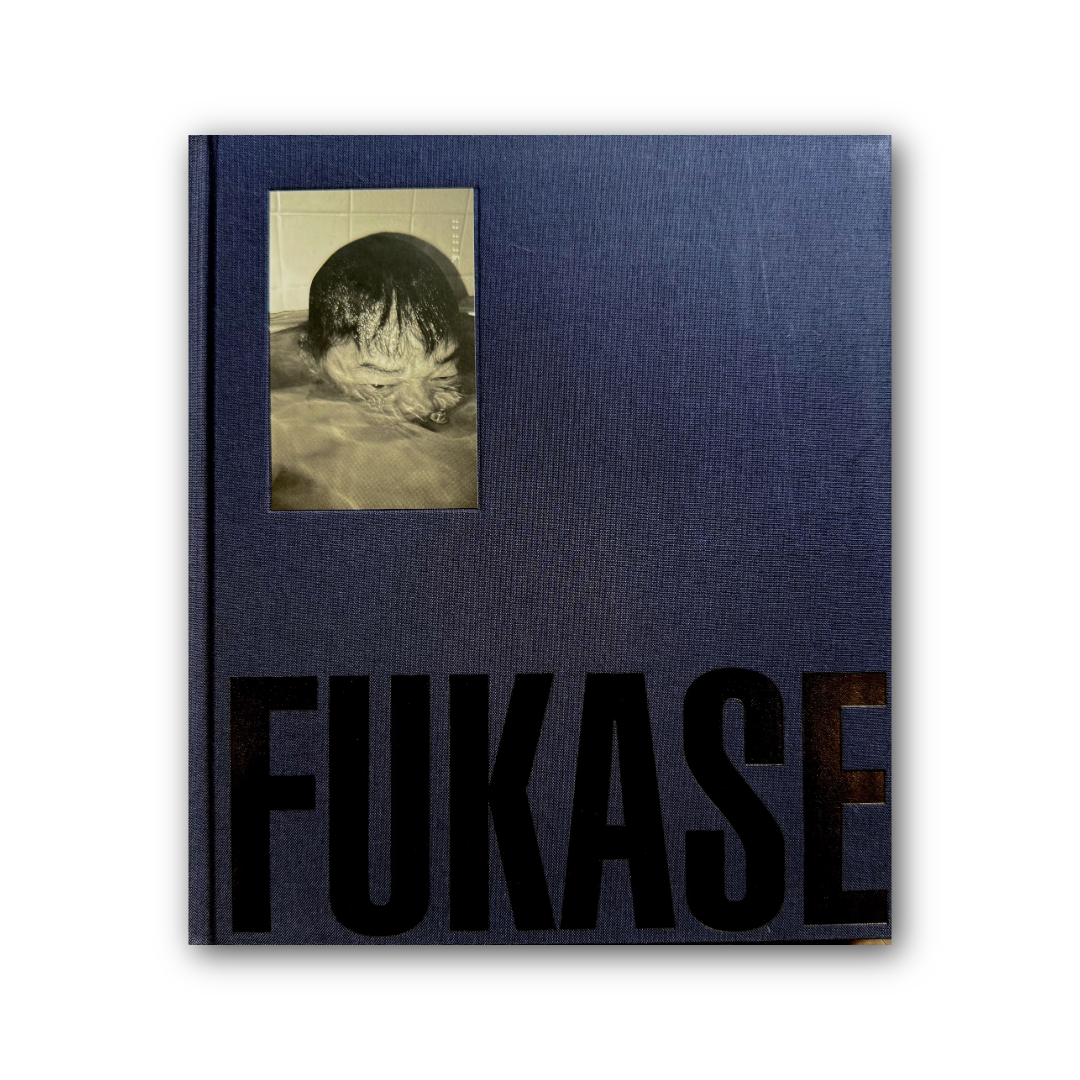 Image 1 of 14
 Image 2 of 14
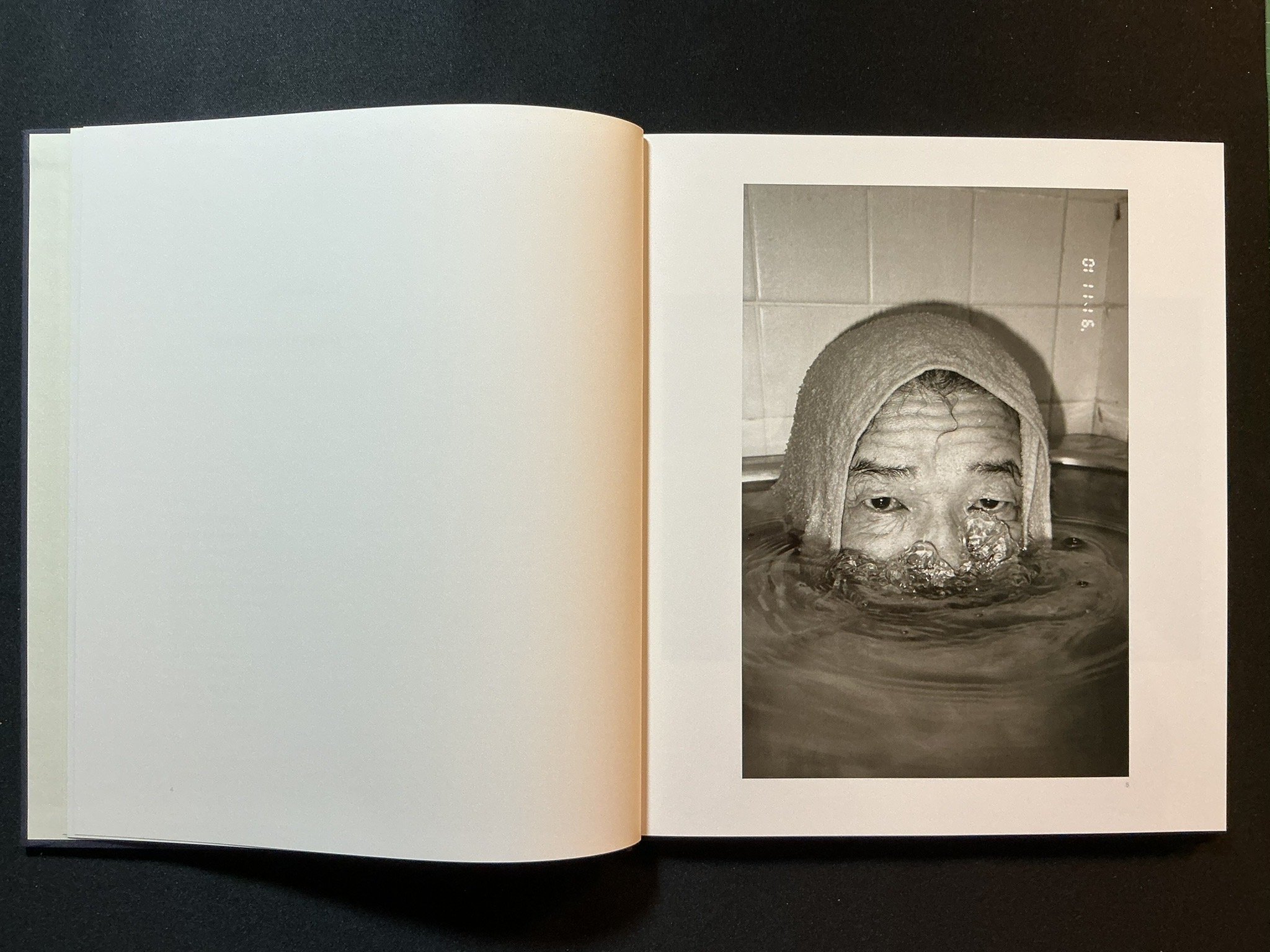 Image 3 of 14
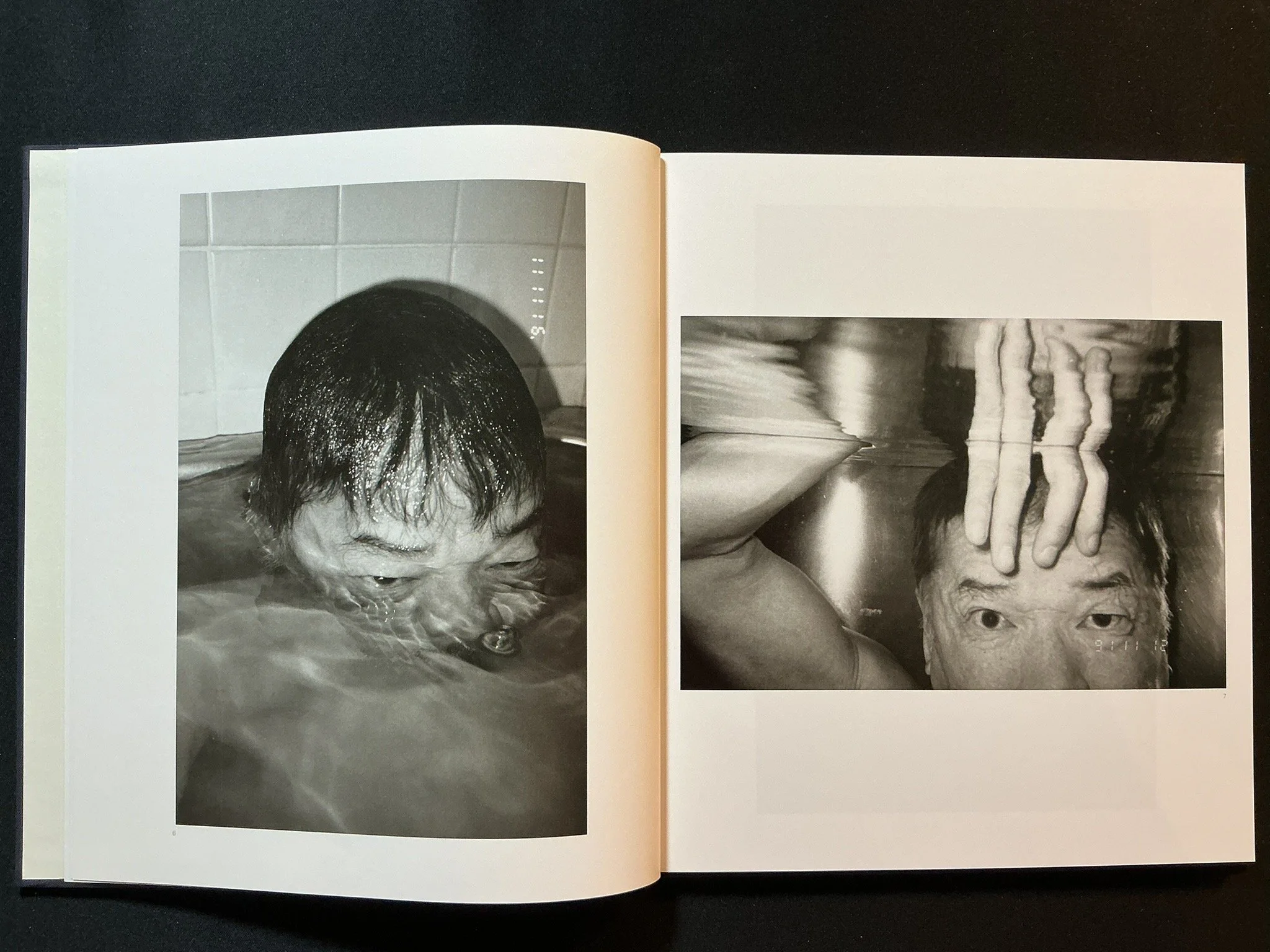 Image 4 of 14
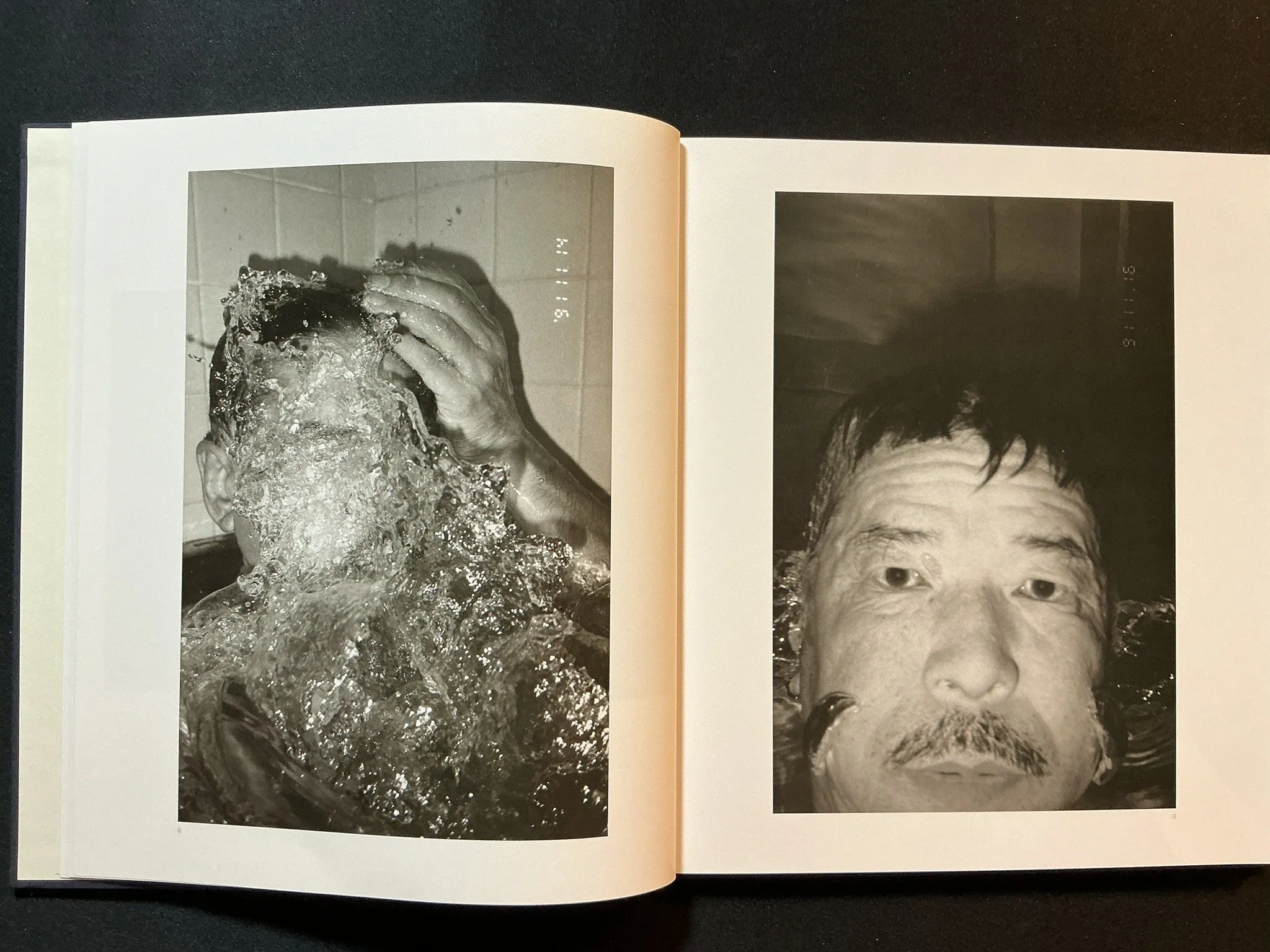 Image 5 of 14
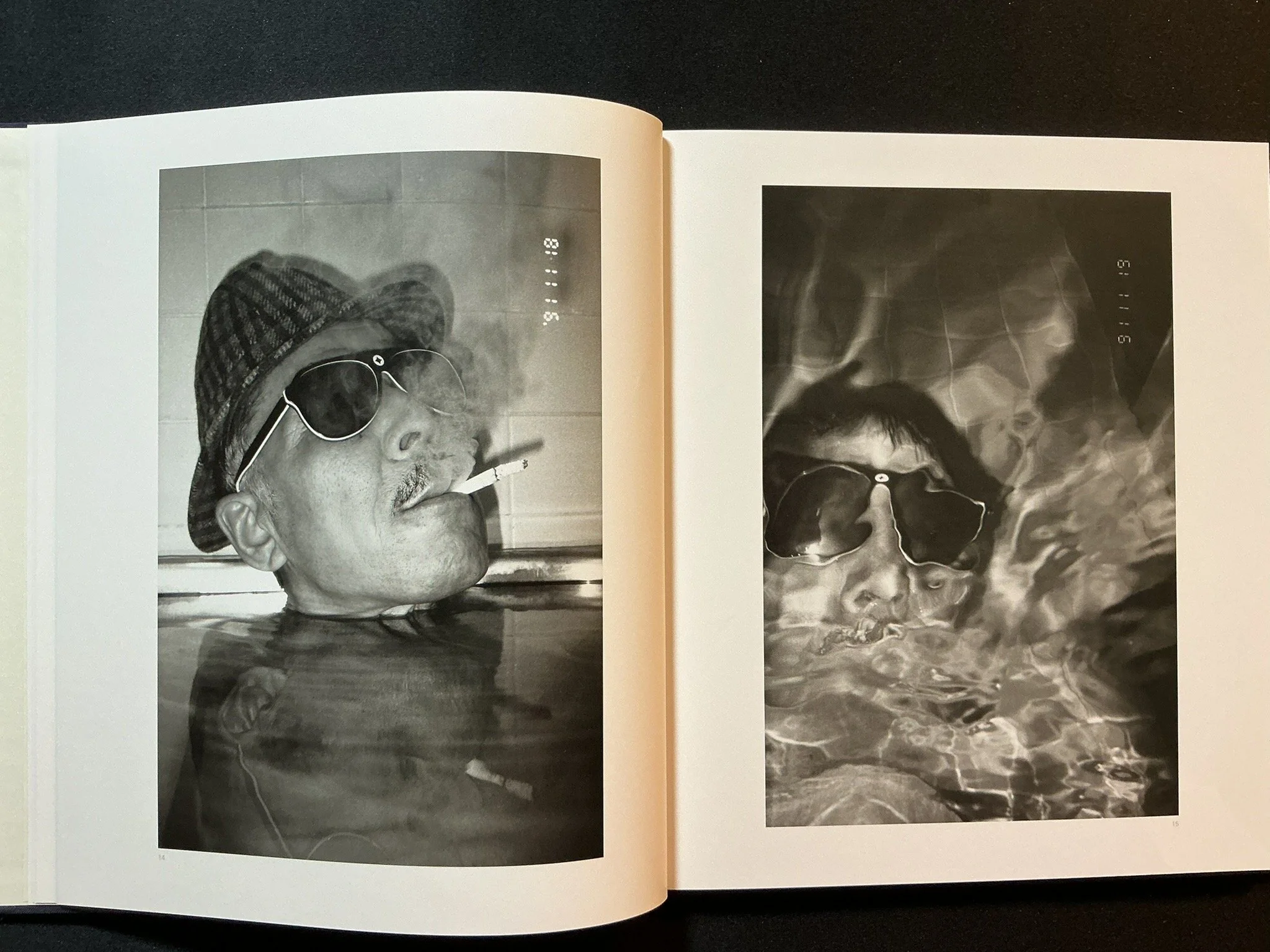 Image 6 of 14
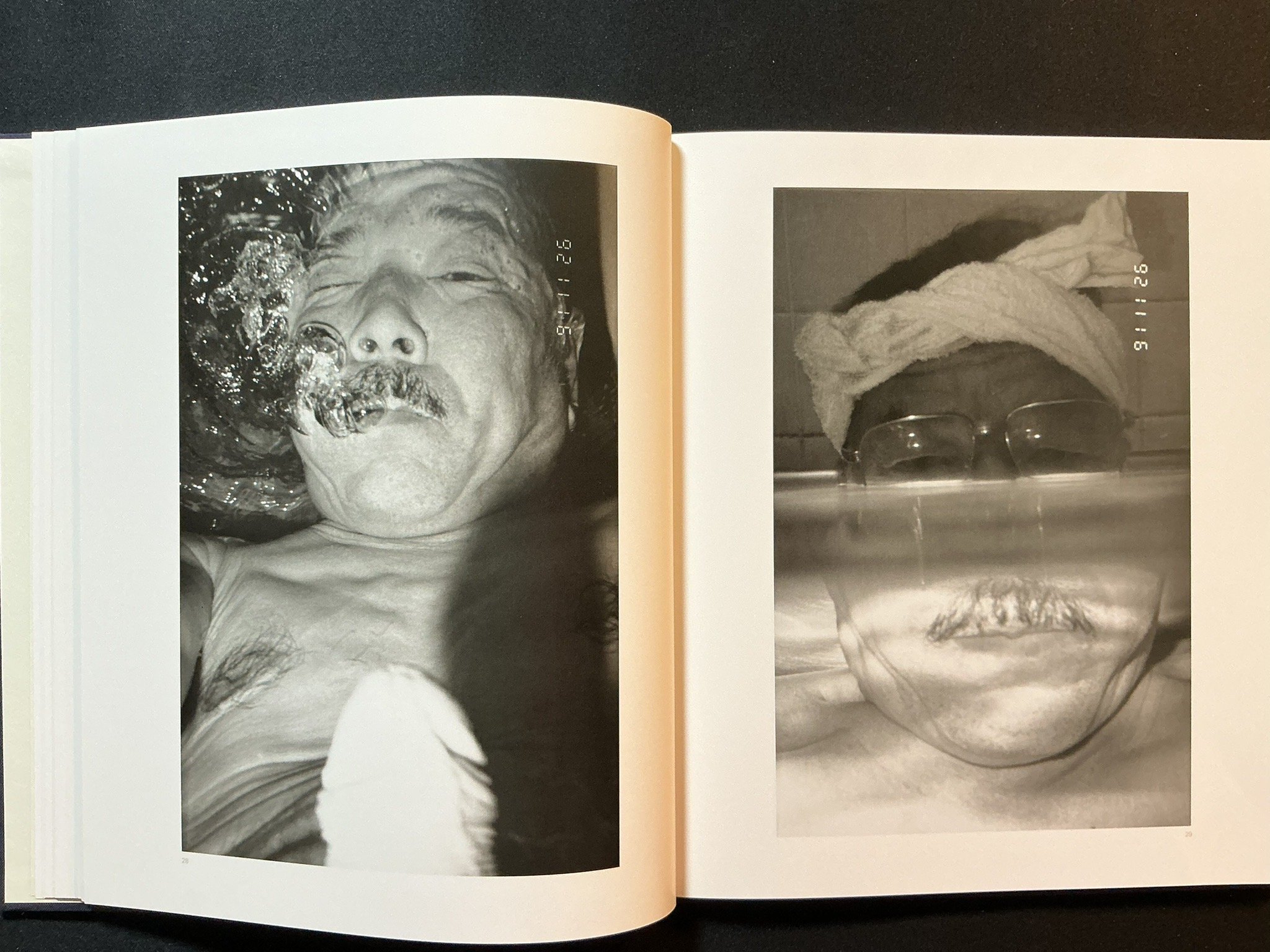 Image 7 of 14
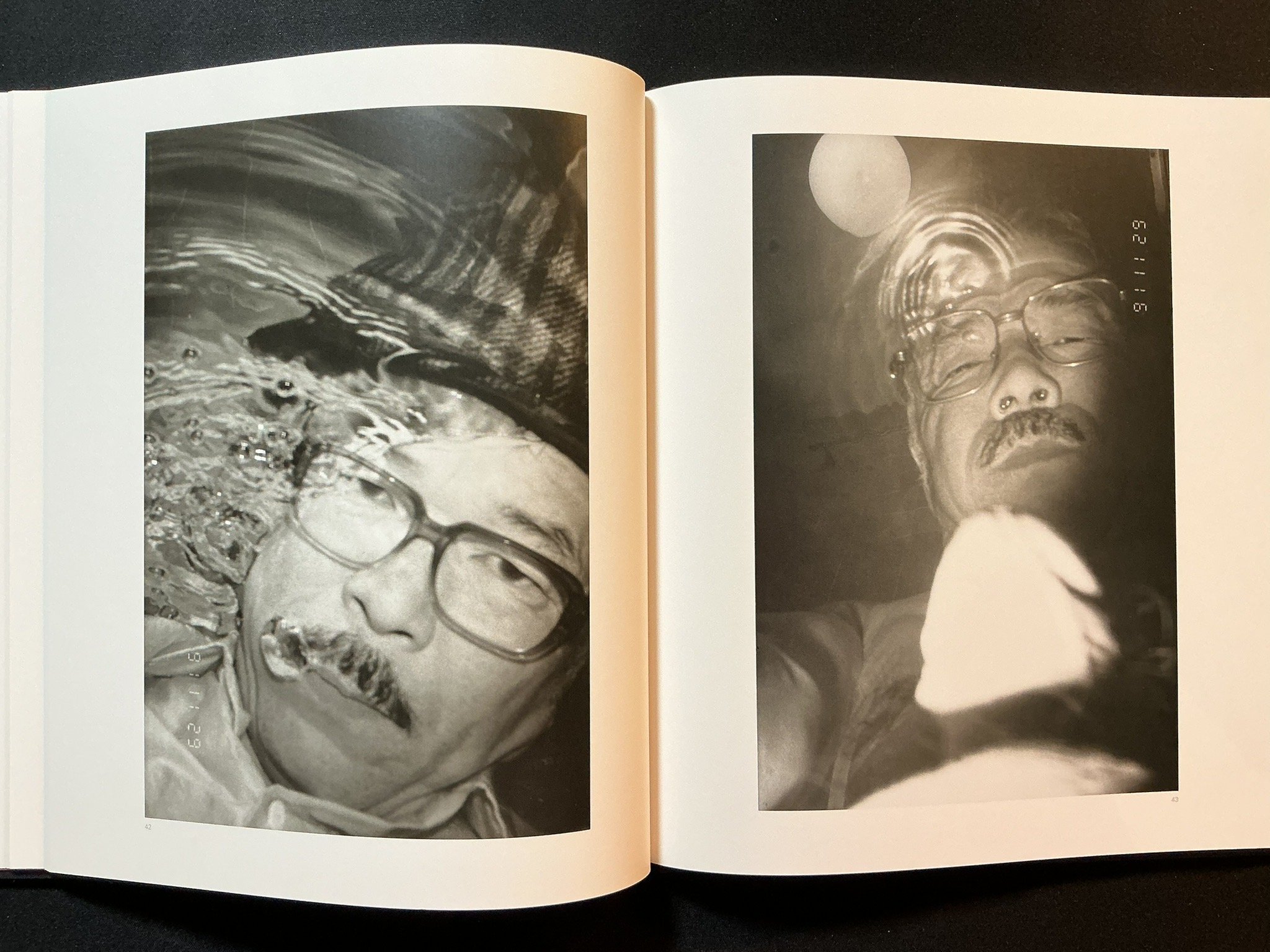 Image 8 of 14
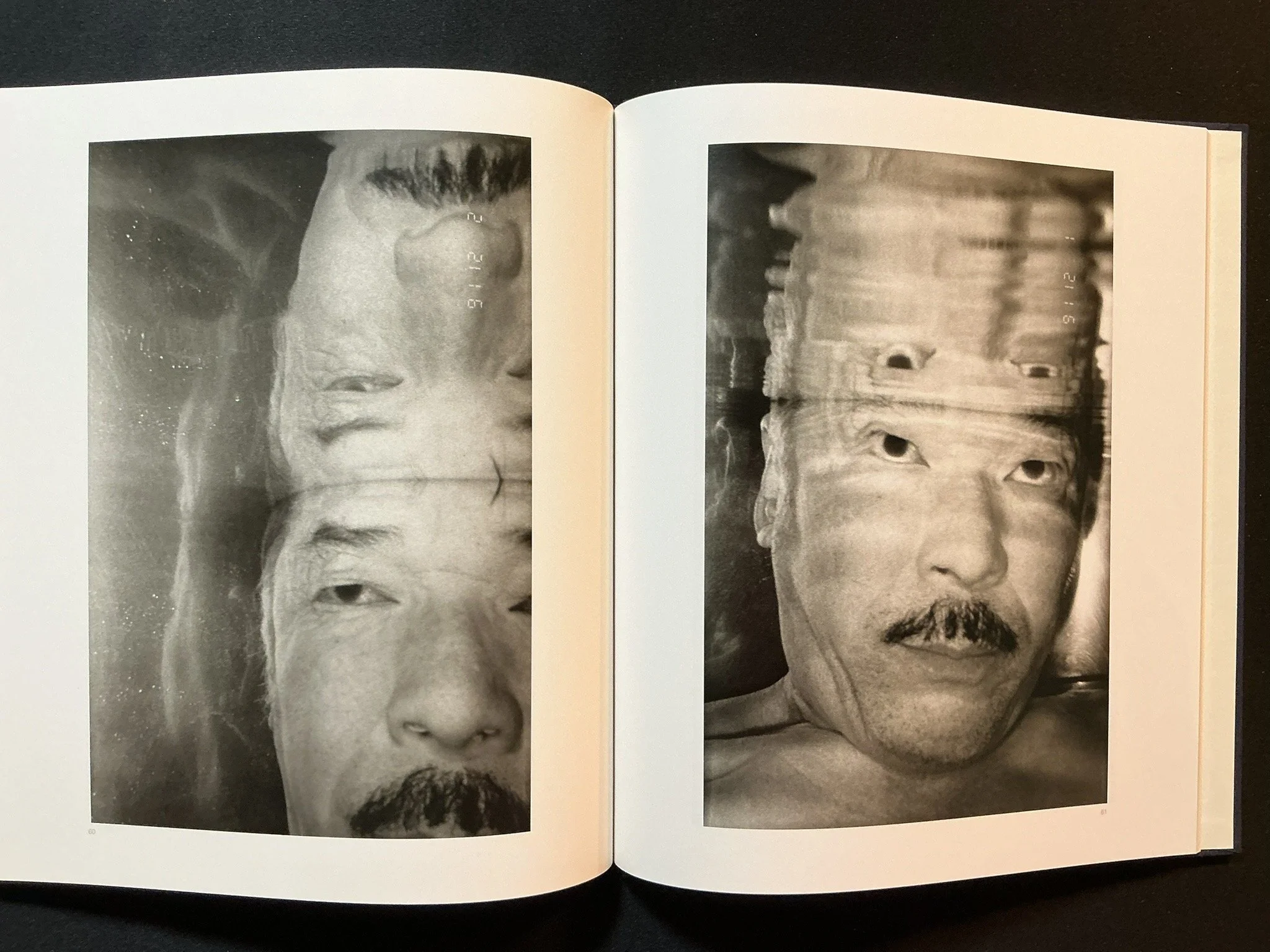 Image 9 of 14
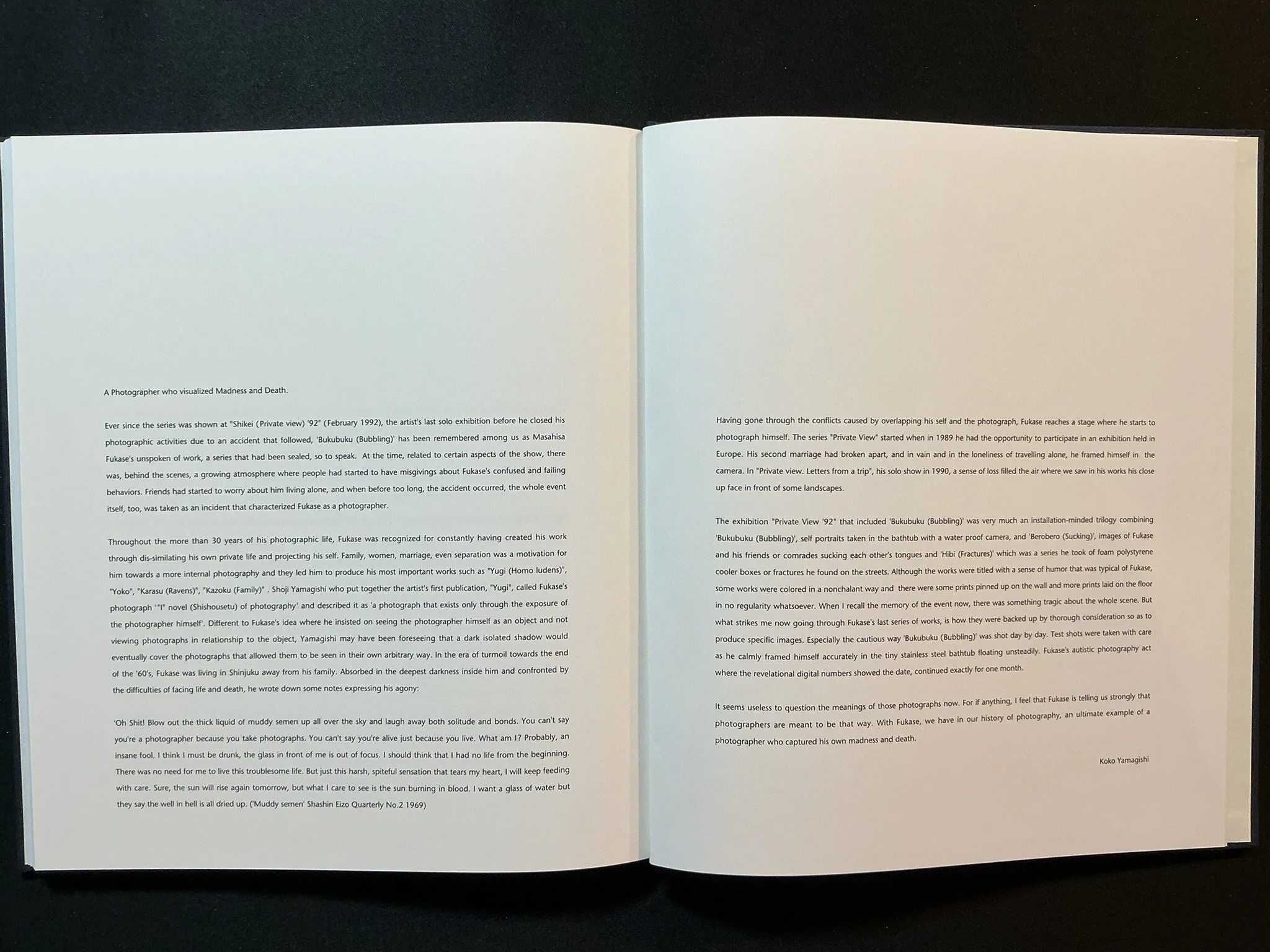 Image 10 of 14
 Image 11 of 14
 Image 12 of 14
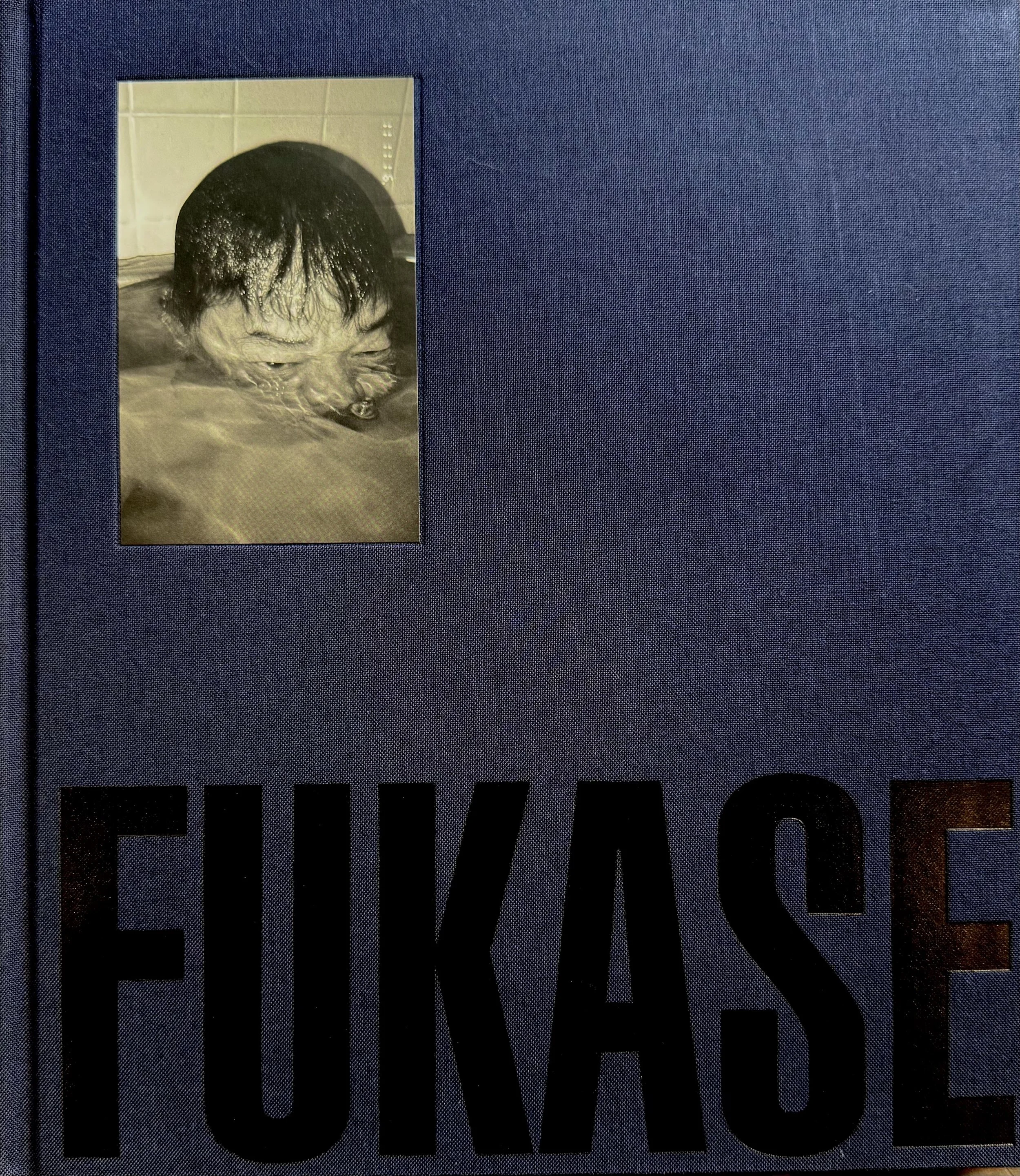 Image 13 of 14
 Image 14 of 14